By
BySanta Gertrudis Cattle: The Premier American-Developed Beef Breed
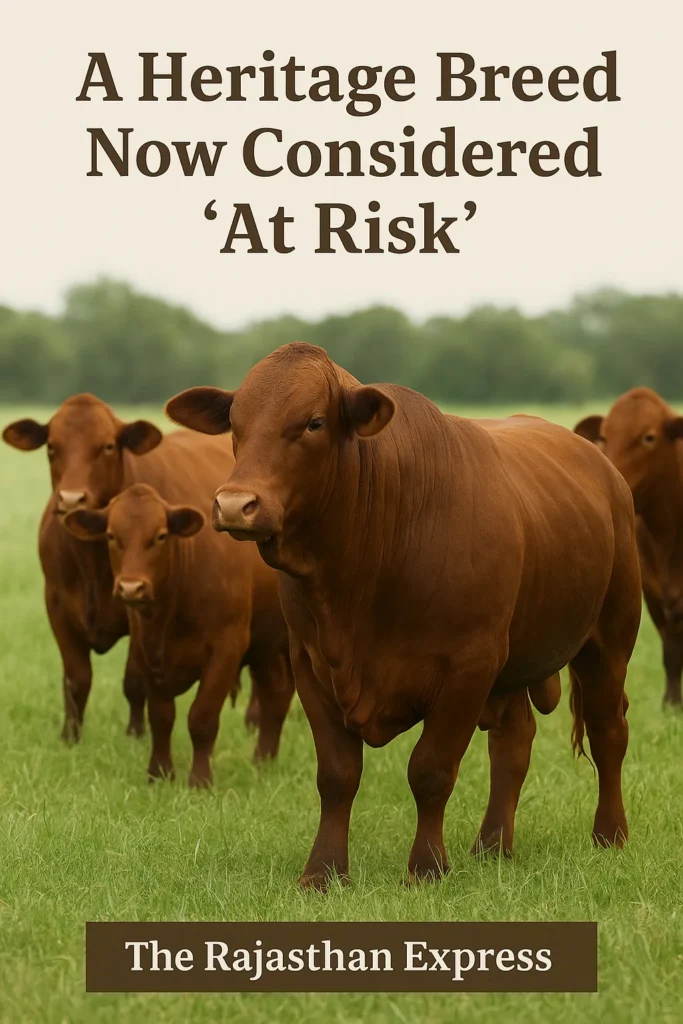
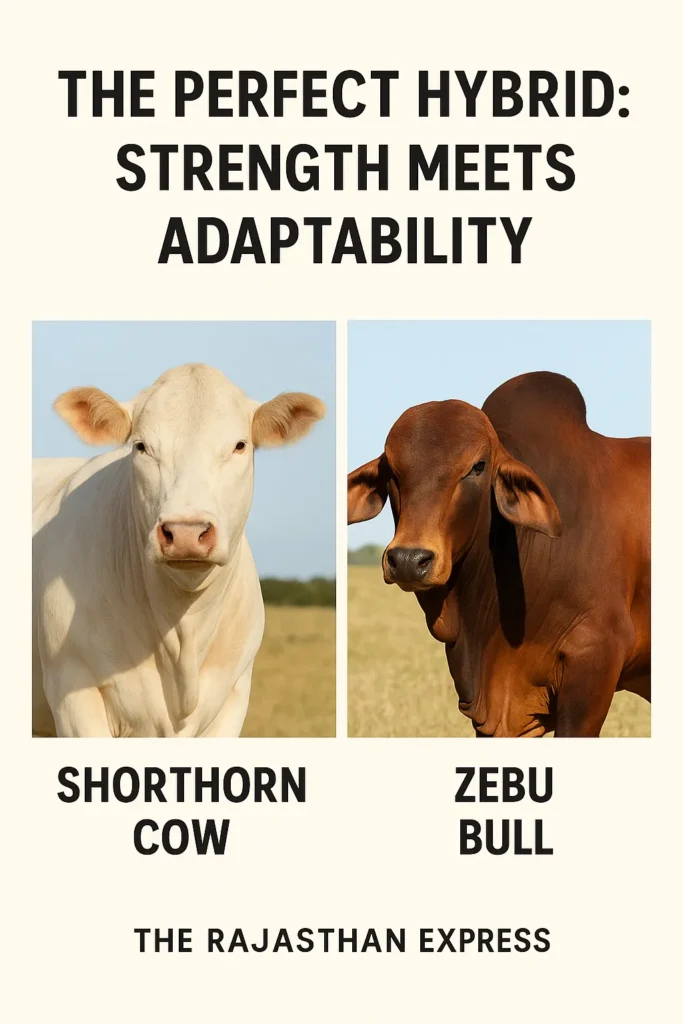
Santa Gertrudis is a hybrid cattle breed officially registered as a pure breed by the U.S. Department of Agriculture in 1940. Gertrudis cattle are a crossbreed resulting from the mating of Shorthorn cows and Ongole bulls (Zebu cattle). These cattle, often referred to as Gertrudis or Gert cattle, are primarily raised for beef production. In this article, we will discuss the history, characteristics, and beef production of Santa Gertrudis cattle.
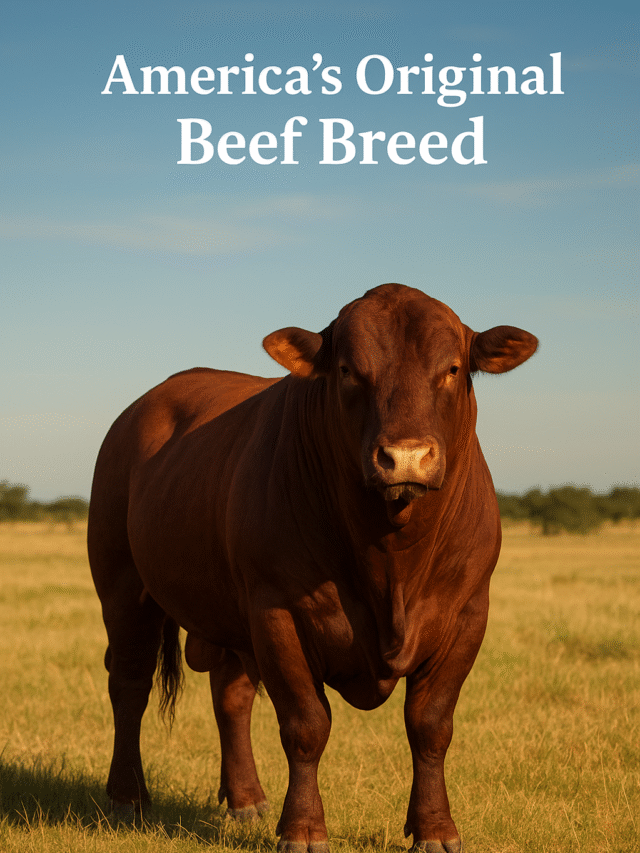
Santa Gertrudis Cattle Breed: An Overview
The Santa Gertrudis cattle represent one of the most successful American-developed cattle breeds, specifically engineered for resilience and high-yield beef production.
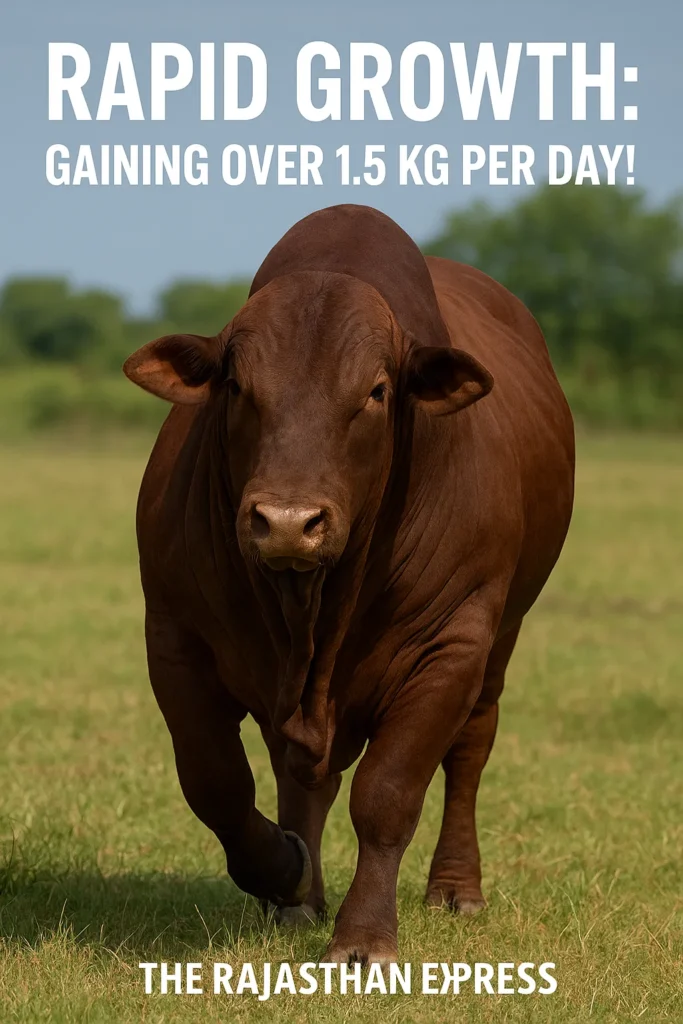
Santa Gertrudis Cattle
| Other Names / Synonyms | Gertrudis, Gert Cattle, America’s Original Beef Breed | |||||||||
|---|---|---|---|---|---|---|---|---|---|---|
| Scientific Classification |
| |||||||||
| Breed Status | Hybrid (Composite Breed), officially recognized as a pure breed in the U.S. since 1940 | |||||||||
| Origin & History | Developed at King Ranch, Texas, USA in the early 20th century by crossing Shorthorn cattle with imported Ongole (Zebu) bulls. Objective: Combine superior beef quality, maternal traits, and heat tolerance. First formal herd book published in 1940, establishing it as one of the first officially recognized composite breeds in the U.S. Widely used in crossbreeding programs to improve heat tolerance and growth in tropical and subtropical regions. | |||||||||
| Genetic Composition |
5/8 (62.5%) Shorthorn (Bos taurus) 3/8 (37.5%) Zebu (Bos indicus, Ongole strain) Genetic Traits: Marbling and meat quality (Shorthorn), heat and parasite tolerance, longevity (Ongole) | |||||||||
| Primary Use | Beef production and maternal breeding stock for improving local herds | |||||||||
| Core Breeding Principle | Breed Complementarity: Combining the best traits from two distinct breeds while retaining heterosis (hybrid vigor) | |||||||||
| Parent Breed Contributions |
| |||||||||
| Heterosis (Hybrid Vigor) |
Enhances performance beyond parental averages:
| |||||||||
| Physical Characteristics |
| |||||||||
| Size & Growth |
| |||||||||
| Reproduction & Longevity |
| |||||||||
| Nutrition & Feeding | Adaptable to native grasses, rough forage, and supplementary feed. Efficient feed conversion supports rapid growth in low-input systems. | |||||||||
| Performance & Meat Quality | Produces high-quality beef with good marbling, desirable fat-to-muscle ratio, and superior carcass yield. Excellent for crossbreeding programs to enhance local herds in tropical climates. | |||||||||
| Adaptability | Highly tolerant to heat, drought, ticks, and other tropical stresses; thrives in arid and semi-arid regions. | |||||||||
| Global Distribution |
| |||||||||
| Conservation Status | At Risk/Vulnerable in the U.S. due to population decline since the 1970s; preserved through breed associations and registries. | |||||||||
| Sources: King Ranch Archives; The Rajasthan Express; FutureBeef; Mississippi State University Extension; Wikipedia; Plantag Biosciences; Steak School | ||||||||||
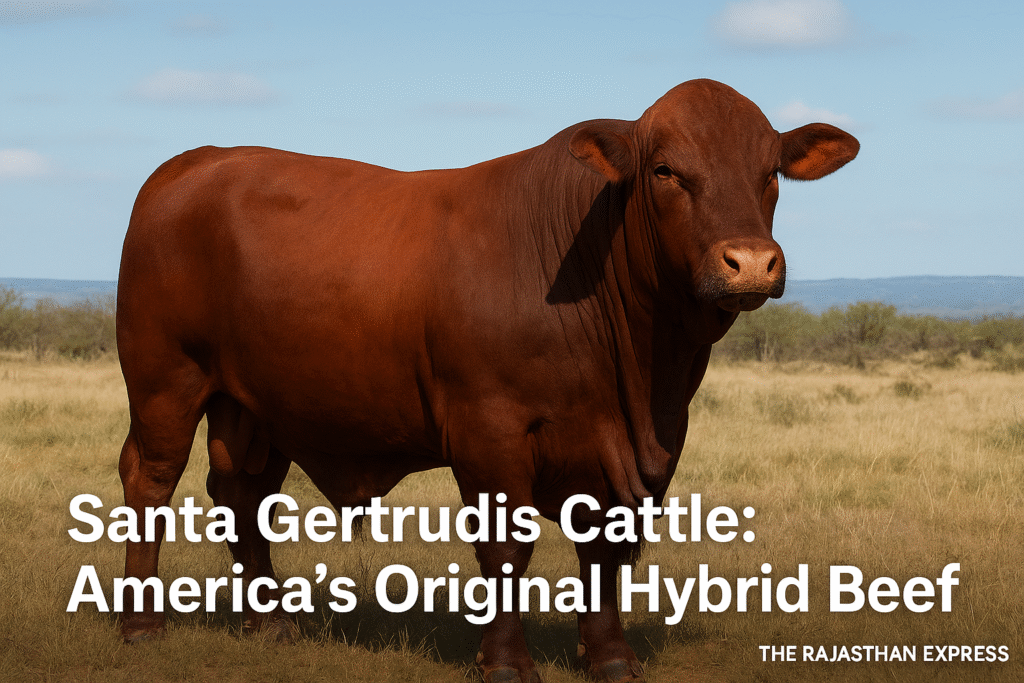
Origin and History of Gertrudis Cattle
The Santa Gertrudis cow is an American beef cattle breed of Texas developed in the early 20th century at the King Ranch in southern Texas. It is named after the Spanish land grant “Rincón de Santa Gertrudis,” where Captain Richard King established his ranch. Initially, Santa Gertrudis cattle were kept with Texas Longhorn cattle. Around 1910, the ranch began crossbreeding British Hereford and Beef Shorthorn cows with Ongole bulls, a Zebu cattle breed imported from India, to improve the breed. This crossbreeding continued for about 10 years. By 1920, after consistent crossbreeding of Shorthorn cows with Ongole bulls, a new crossbreed emerged, which was named Santa Gertrudis. The Gertrudis cattle have 62.5% Shorthorn and 37.5% Ongole (Zebu cattle) characteristics.
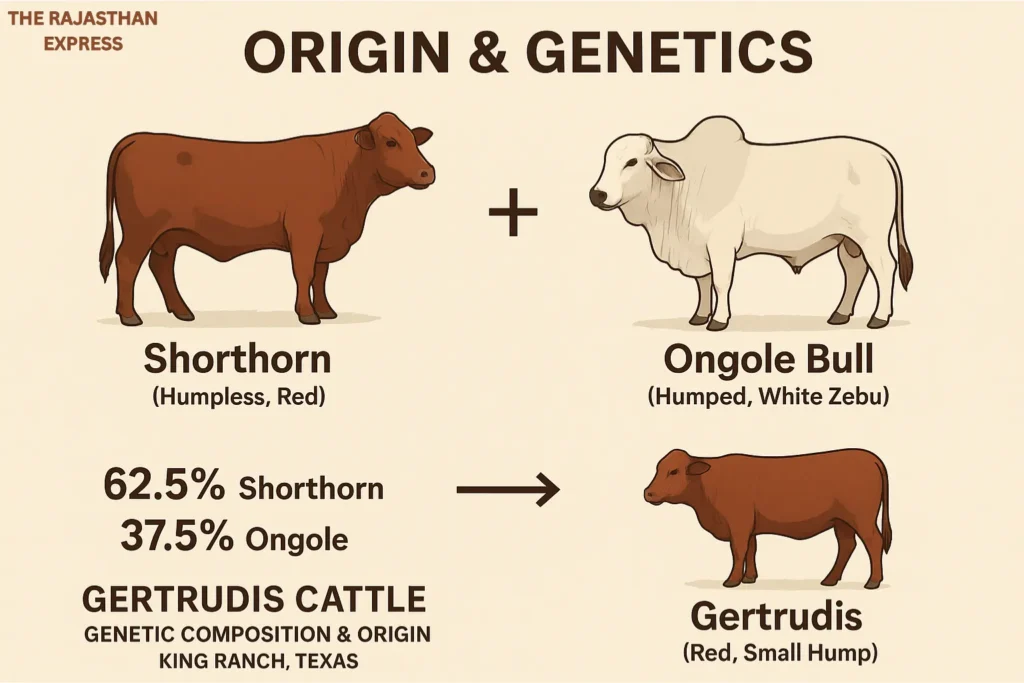
By 1940, the Gertrudis cattle breed was officially recognized as a pure breed by the U.S. Department of Agriculture, registered with a genetic mix of 3/8 Ongole (Zebu cattle) and 5/8 Shorthorn.
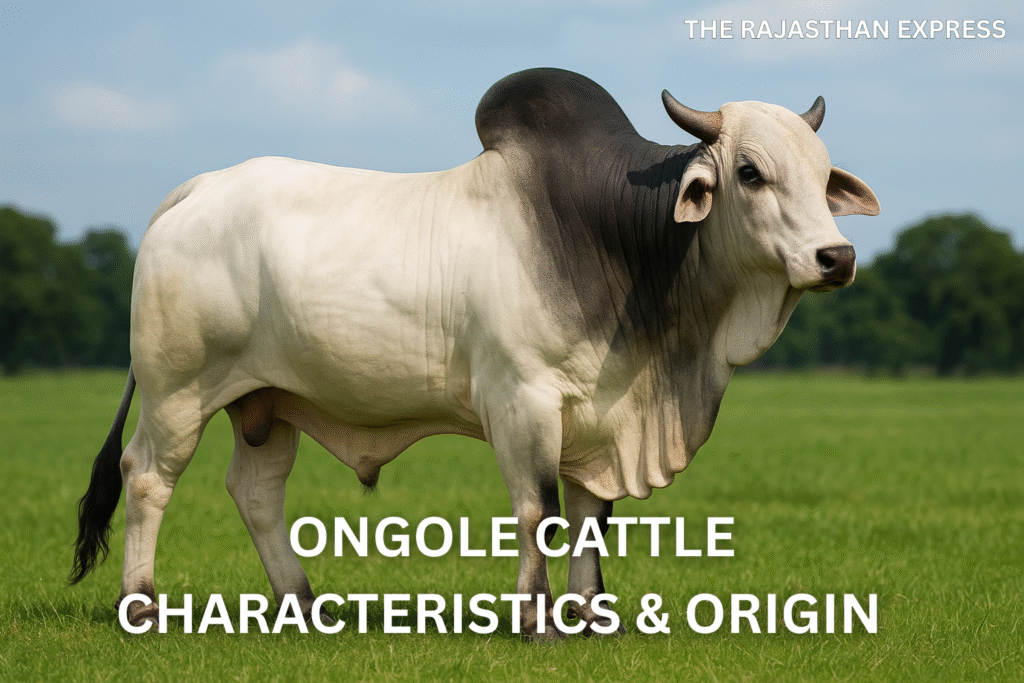
The King Ranch Legacy and Foundation Sire
The Santa Gertrudis breed stands as one of the most historically significant and scientifically designed beef cattle breeds in the United States, its development deeply rooted in the pioneering work of the King Ranch of South Texas. During the early 20th century, under the guidance of Captain Richard King’s descendants, particularly Robert J. Kleberg Sr. and Jr., King Ranch breeders sought to create a new type of cattle capable of thriving in the harsh, semi-arid, and tick-infested environment of South Texas. The British breeds then common in America, such as Shorthorn and Hereford, produced high-quality beef but lacked heat and parasite tolerance. Conversely, the Brahman (Bos indicus) cattle imported from India were renowned for their hardiness and resistance to heat, humidity, and disease, yet their beef quality was often lower.
To combine the best qualities of both, King Ranch began extensive crossbreeding experiments between Shorthorn (Bos taurus) cows and Brahman bulls around 1910–1920. After several generations of selection, one exceptional red bull emerged—“Monkey”, born around 1920 on the ranch. His dam was a high-grade Shorthorn cow carrying traces of Brahman blood, and his sire was a pure or predominantly Brahman bull. Monkey exhibited a striking deep cherry-red coat, impressive muscle development, and remarkable heat tolerance, making him an ideal prototype of the new composite breed King Ranch envisioned.

Recognizing his genetic potential, ranch breeders intensively used Monkey as a foundation sire, mating him to a large number of Shorthorn–Brahman cross cows. His progeny consistently displayed superior growth rates, early maturity, docility, adaptability, and exceptional carcass conformation, confirming the genetic stability of the cross. Over time, the King Ranch herd was standardized to a stable genetic ratio of approximately 5/8 Shorthorn and 3/8 Brahman, which provided the optimum balance between beef quality, fertility, and environmental resilience.
The descendants of Monkey became the genetic cornerstone of what was officially recognized by the U.S. Department of Agriculture in 1940 as the Santa Gertrudis breed, the first beef breed developed in the United States and the first to be formed by systematic hybridization. Nearly all purebred Santa Gertrudis cattle trace some portion of their lineage back to Monkey, whose genetic legacy remains embedded in the breed’s national herdbook.
Today, the King Ranch Legacy continues through the Santa Gertrudis Breeders International (SGBI), founded in 1951, which maintains global breed standards and genetic records. Modern Santa Gertrudis cattle are still valued worldwide for their heat tolerance, disease resistance, mothering ability, rapid weight gain, and red color uniformity—traits first consolidated by the foundational breeding program and the influence of Monkey, the legendary sire that embodied the vision of King Ranch’s selective breeding genius.
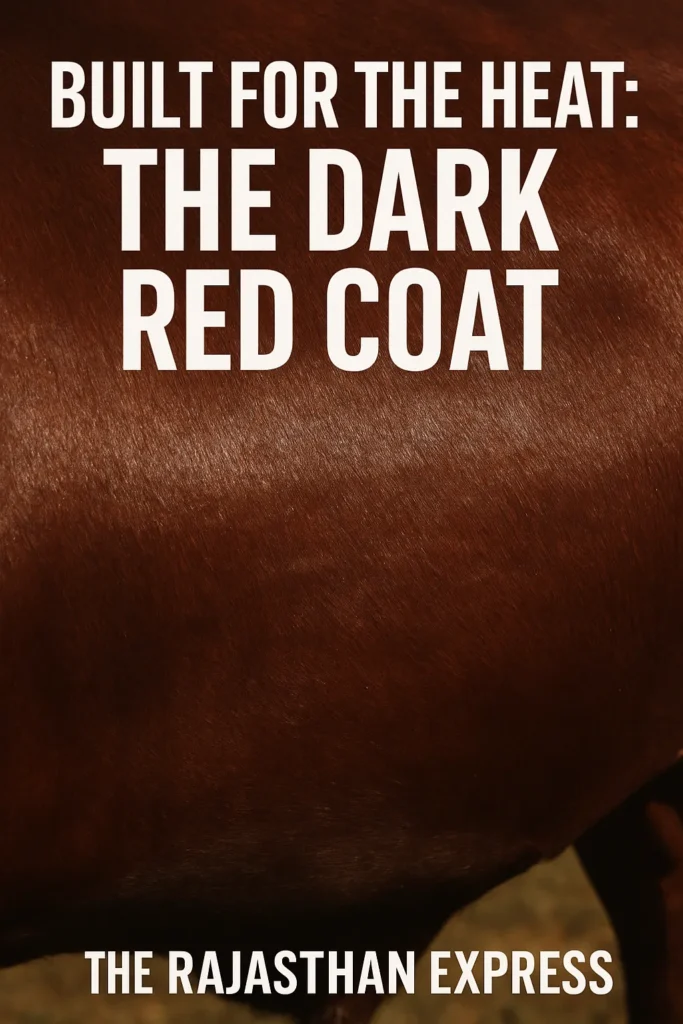
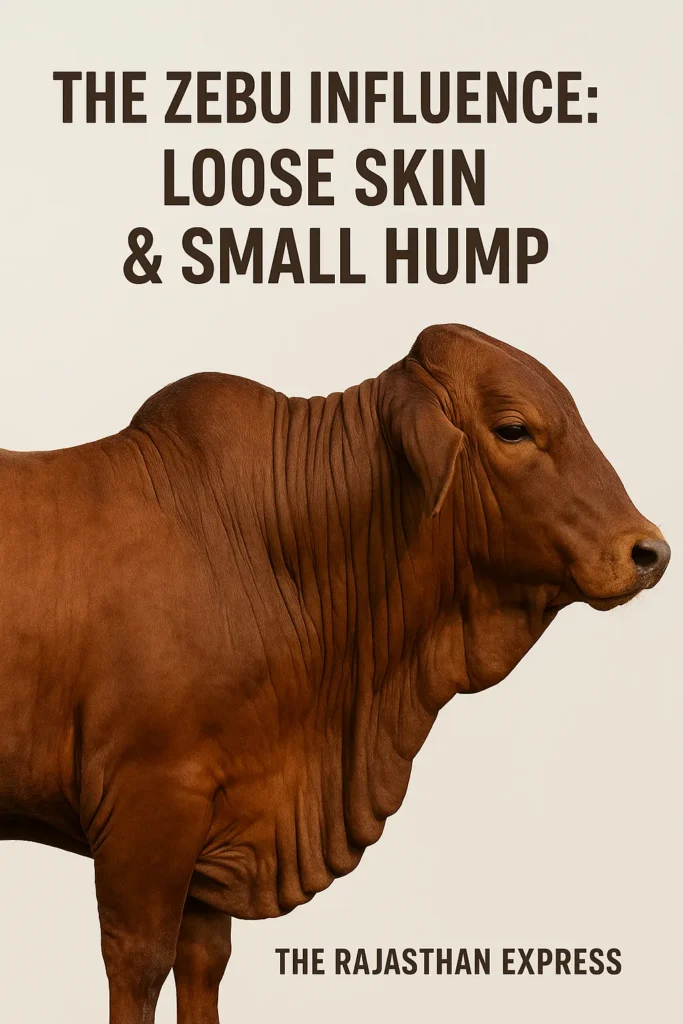
The “Brahman bulls” used in the creation of Santa Gertrudis were American Brahman cattle — a composite U.S. breed — but their ancestral foundation came largely from Indian Ongole (Nellore) and other zebu breeds.
THE RAJASTHAN EXPRESS
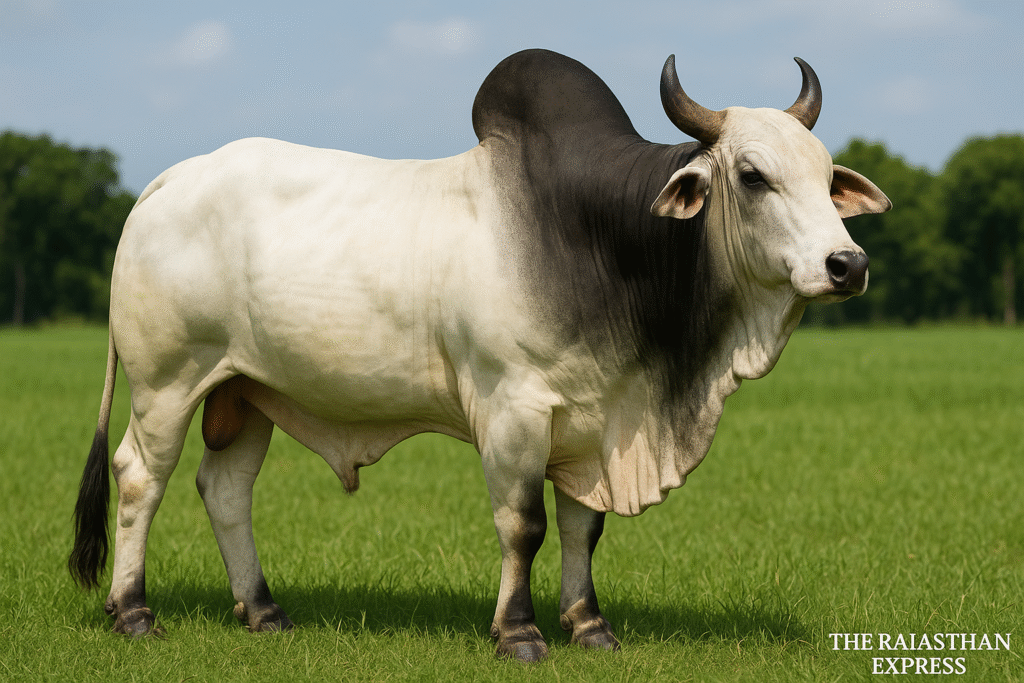
🇮🇳 Indian Ancestry of the American Brahman
The American Brahman breed (officially named in 1924 by the American Brahman Breeders Association) was developed primarily from Indian zebu cattle—especially:
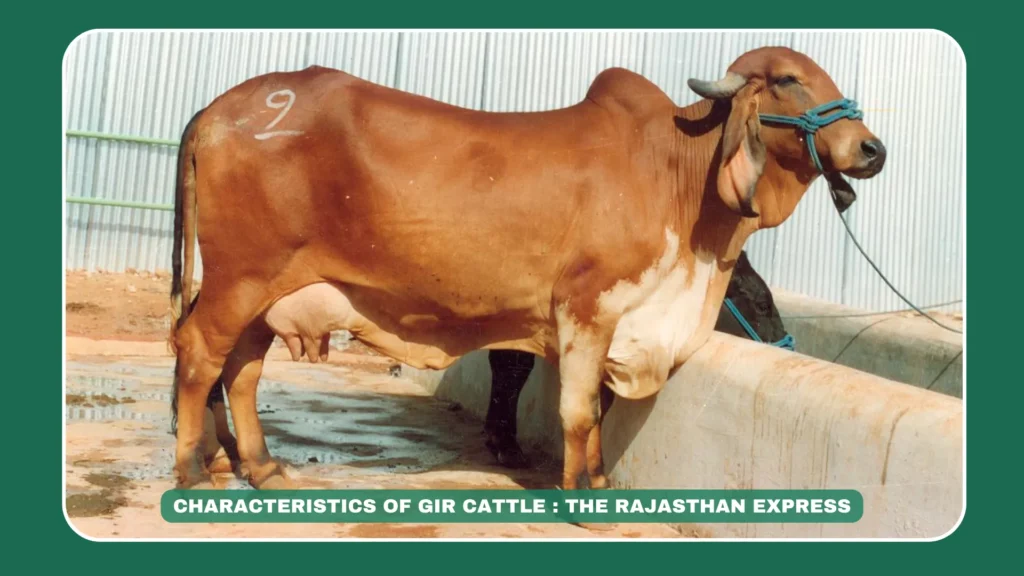
- Gyr (Gir) – from Gujarat, India
- Guzerá (Guzerat) – from Brazil but originally Indian in type
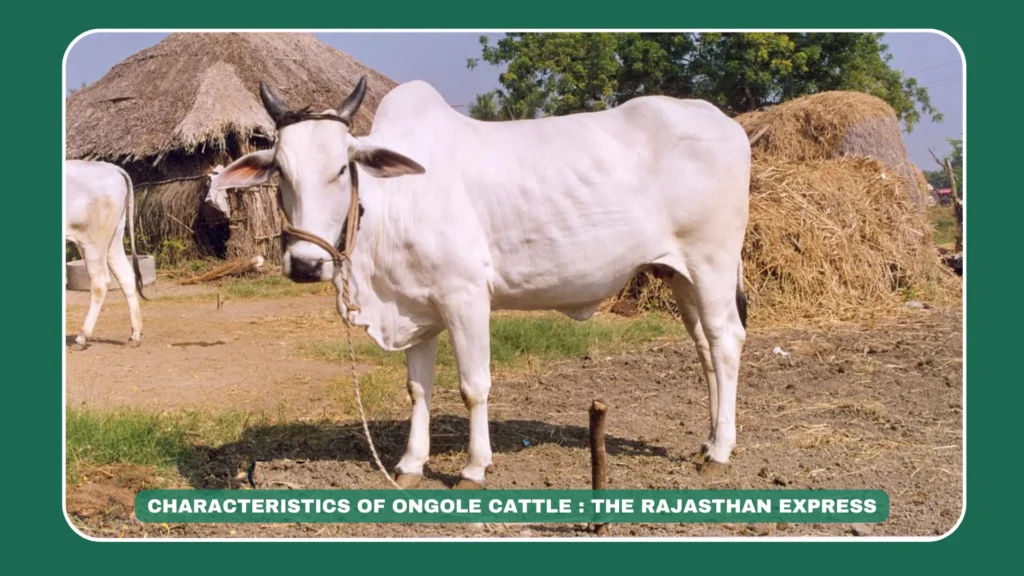
- Nellore (Ongole) – from Andhra Pradesh, India
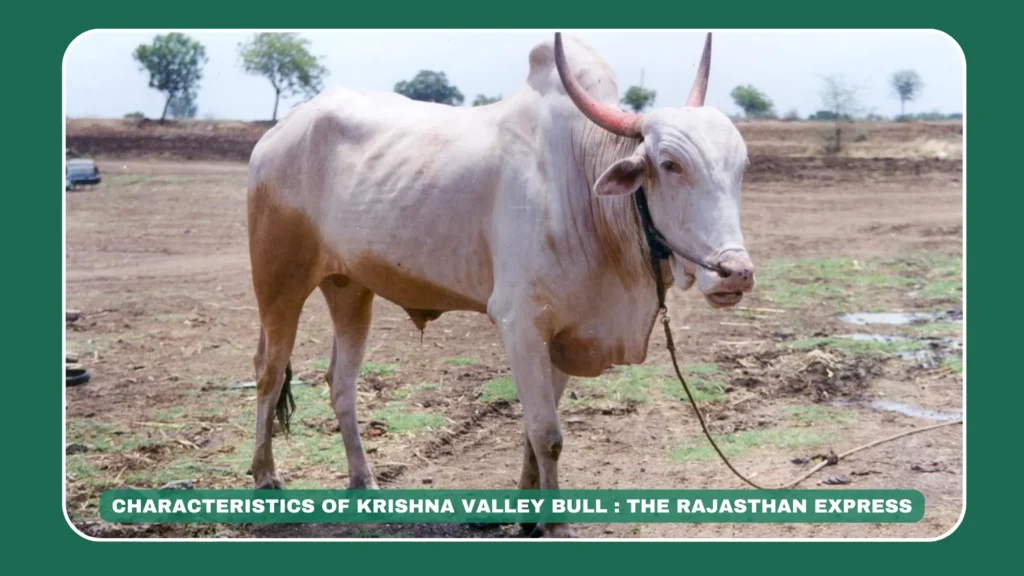
- Krishna Valley – from central India
The Brahman bulls used at King Ranch were American Brahmans, but their roots trace directly back to Indian Ongole-type (Nellore) and other zebu cattle.
Global Distribution and Population Status
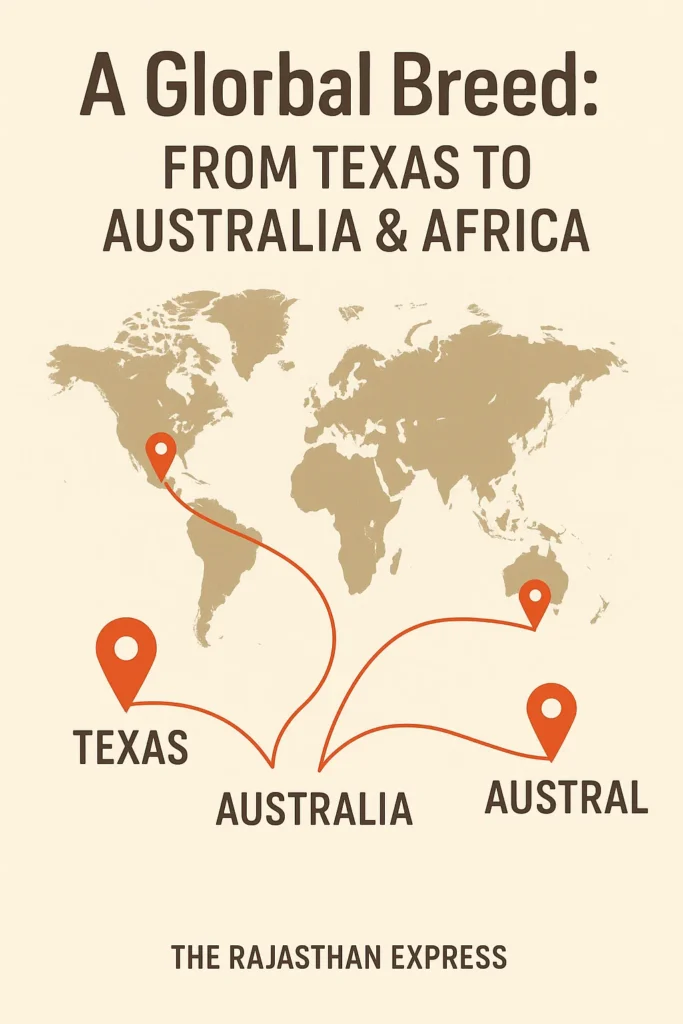
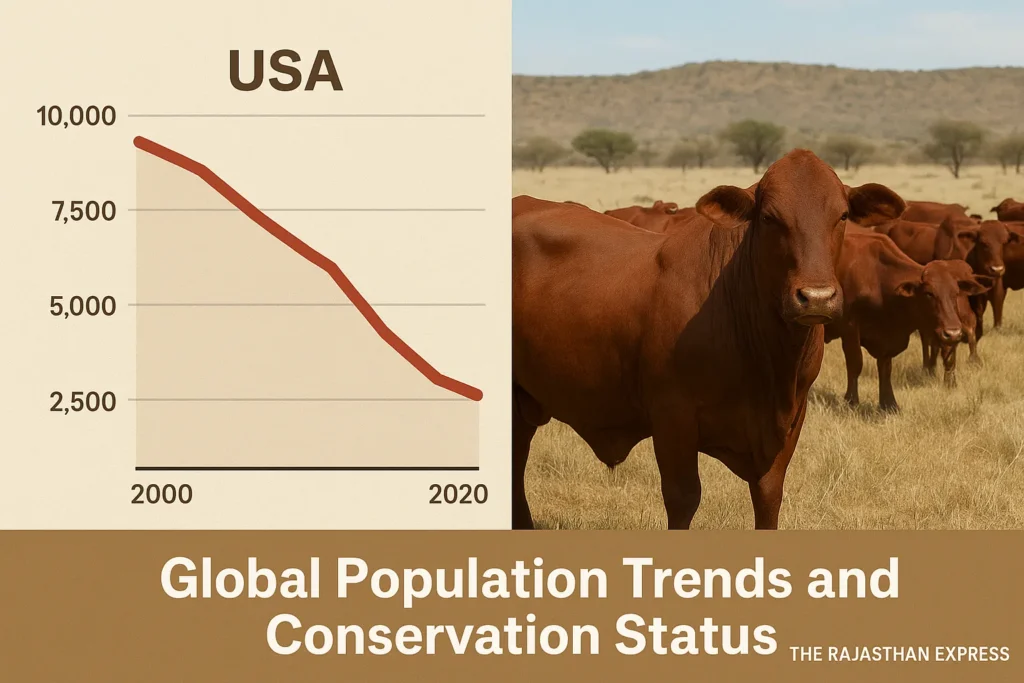
Gertrudis cattle have been exported to several countries, including Australia, Brazil, and South Africa. They are primarily found in regions with climates and terrains similar to Texas. The success of Santa Gertrudis cattle in Australian beef production is a testament to their adaptability. As of 2021, the global population of Gertrudis cattle was approximately 72,000, with the largest number residing in South Africa. The most significant population decline of Gertrudis cattle has been observed in the United States.
Main Uses of Gertrudis Cattle
Gertrudis cattle are used for two primary purposes (Dual Purpose Breed):
1. Beef Production
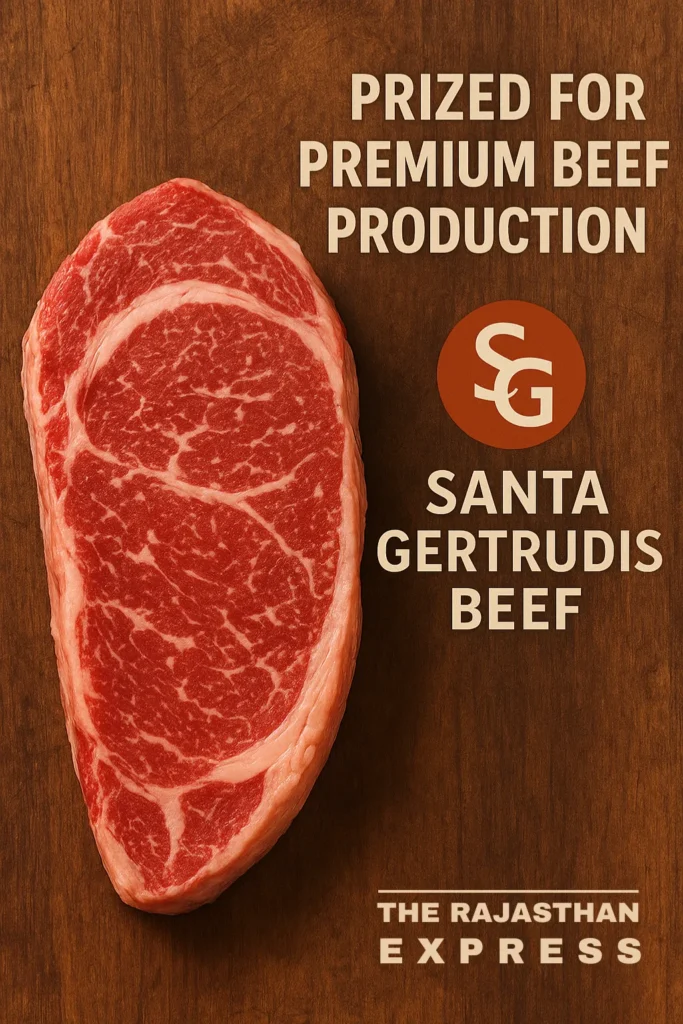
Gertrudis cattle are primarily raised for beef production. Gertrudis bulls are castrated for more significant meat production. A castrated bull is called a “Steer.” If a bull is castrated for draft purposes, it is called a “Bullock.” The breed is highly valued for its Santa Gertrudis carcass yield and grading results, making it a top choice for commercial beef operations.
2. Milk Production
Milk production in Gertrudis cattle is relatively low compared to beef production, so they are mainly raised for beef.
Physical Characteristics of Gertrudis Cattle
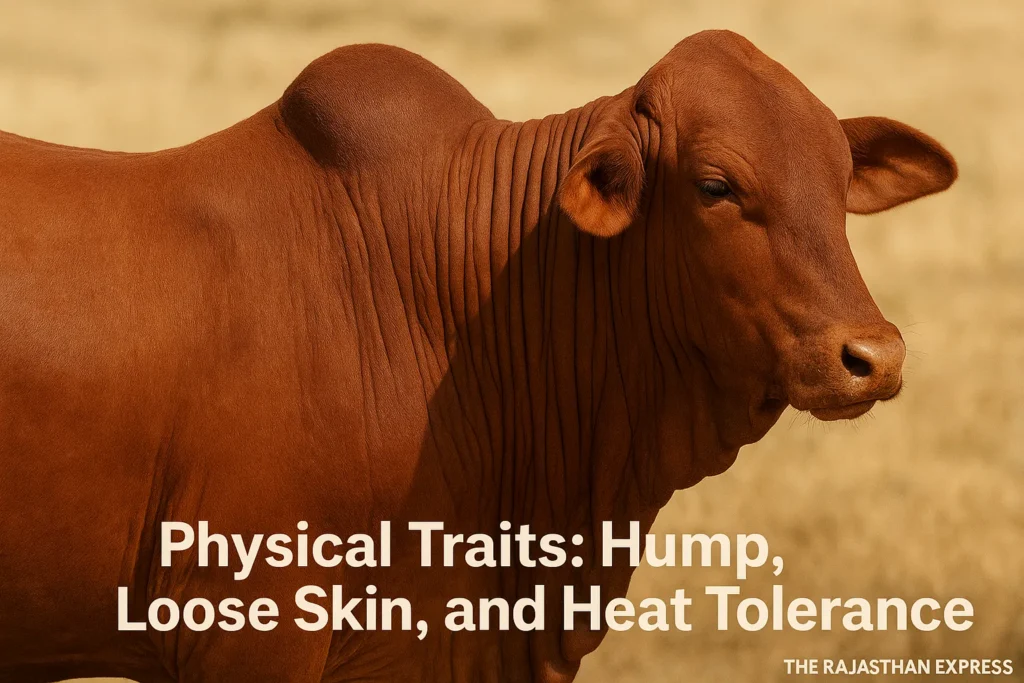
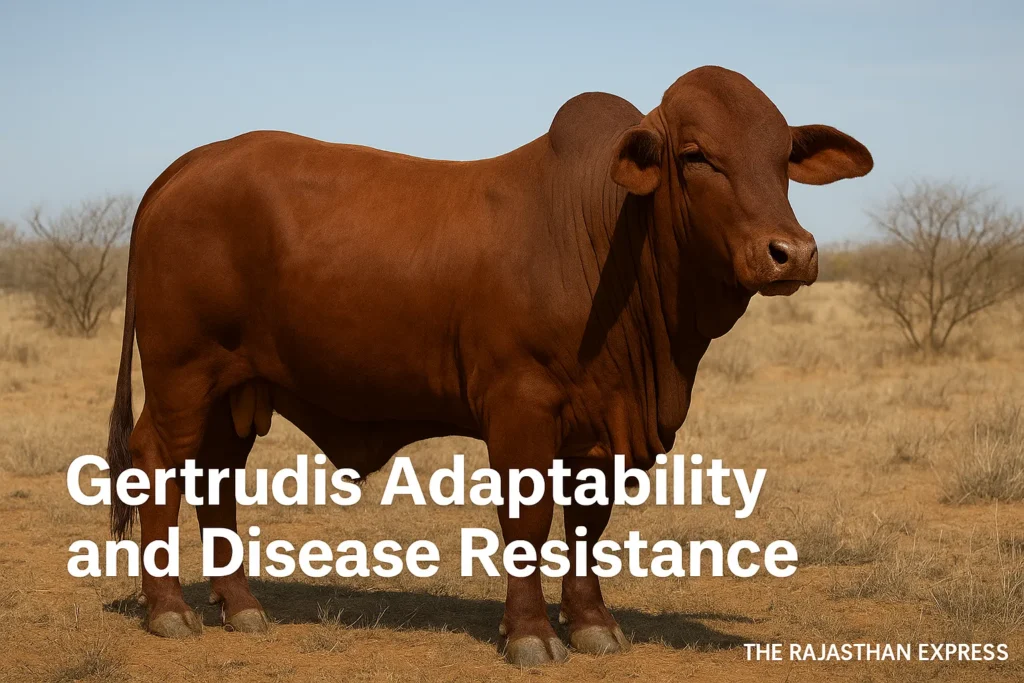
- Body Color: Gertrudis cattle are known for their dark red coat and robust physical build, with some white markings on the body.
- Hump: Gertrudis cattle have a small hump due to their crossbreeding between Bos indicus (Zebu cattle) and Bos taurus.
- Ears: Gertrudis cattle generally have medium to large ears.
- Skin: Their skin is loose and heavily wrinkled, similar to Sahiwal cows. The loose skin contains sweat glands that help dissipate heat in warm climates.
- Horns: Gertrudis cattle can be either horned or polled (hornless).
- Tolerance: The Gertrudis breed is known for its Santa Gertrudis cattle heat and tick resistance. They possess many traits of Zebu cattle, such as disease resistance, making them a classic example of heat tolerant beef cattle.
Average Measurements and Growth Performance
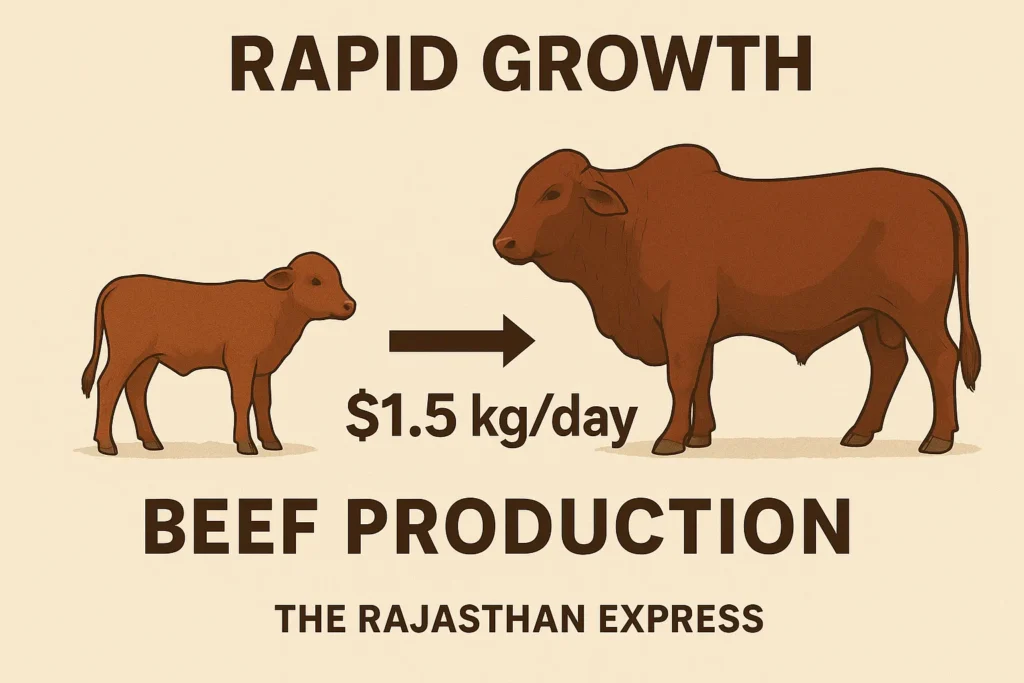
Santa Gertrudis bulls typically weigh over 900 kilograms, while adult cows can weigh up to 750 kilograms. This breed is known for its rapid body growth. A key performance metric is the Santa Gertrudis cow weaning weight vs European breeds, with bulls often gaining more than 1.5 kilograms per day. Females become ready for breeding at 12-14 months of age and can remain productive for up to 12 years, with some staying in the breeding herd for as long as 18 years.
- Weight of Cow: 700 – 750 kg
- Weight of Bull: 850 – 900 kg
Key Points on Cattle Breeding and Genetics
- Selective Breeding: A form of outcrossing where selected males are bred with unrelated females within the same herd. Selective breeding is currently the most widely used method.
- Natural Mating: The process of mating between male and female animals without the use of artificial methods. Natural mating increases the risk of sexually transmitted diseases between animals. To prevent this, artificial insemination is now commonly used.
- Artificial Insemination: A technique used to improve animal breeds by artificially introducing collected semen into the reproductive organs of a female animal displaying heat symptoms. Artificial insemination can enhance milk and meat production by utilizing males with superior breeding capacity and traits.
- Selective Breeding: Similar to point 1, selective breeding involves breeding selected males with unrelated females within the same herd and is widely used worldwide.
- Types of Cattle Based on Hump:
- (A) Humped Cattle: Cattle with humps, scientifically known as Bos indicus, are referred to as Zebu cattle. Zebu cattle typically have lower milk production compared to exotic cattle but possess higher disease resistance. Examples include Gir Cow, Sahiwal Cow, Hariyana Cow, Tharparkar Cattle, Red Sindhi Cattle, and Punganur Cow.
- (B) Humpless Cattle: Cattle without humps are scientifically known as Bos taurus and are called exotic cattle. Exotic cattle are used in cross-breeding, such as the Jersey × Red Sindhi cow. Examples of exotic cattle breeds include Jersey, Holstein Friesian, Brown Swiss, Red Dane, and Ayrshire.
- Cattle-Related Terminology:
- Beef: The meat from cows is referred to as beef. The dressing percentage for beef is approximately 55%.
- Buffen / CaraBeef: The meat from buffaloes is known as Buffen or CaraBeef, with a dressing percentage of about 57%.
- Calving: The process of childbirth in cows and buffaloes is called calving. The offspring of a cow is called a calf.
- Gestation Period: For cows, the gestation period is approximately 9 months and 9 days, or 283 days. For buffaloes, the gestation period is around 10 months and 10 days, or 310 days.
- Serving: The act of mating in cows and buffaloes is referred to as serving.
- Double Muscling Gene: An example of a pleiotropic gene, the double muscling gene in cattle affects muscle growth. Due to the presence of this gene, cattle develop significantly more muscle than usual, making them more muscular compared to normal muscle structures. The best examples of the double muscled cattle gene can be seen in breeds like Belgian Blue, Charolais, and Piedmontese cattle. The gene’s impact results in more pronounced and stronger muscles, which is advantageous for meat production.
- Pleiotropic Gene: A gene that controls two or more traits is called a pleiotropic gene.
- Examples:
- Carrier of sickle cell anemia in humans.
- Halothane gene in pigs.
- Double muscling gene in cattle.
- Examples:
- Cross Breeding: The process of mating two different breeds within the same species is called cross-breeding. The offspring resulting from cross-breeding are known as cross-breeds.
- Breed Complementation: The desirable traits of different breeds are combined into one breed.
- Heterosis / Hybrid Vigor: The offspring outperform their parents, a phenomenon also known as Hybrid Vigor.
- Cross Breed Animals: Crossbreed animals can produce more with less feed.
| Cross Breeding Examples | ||
| Number | Cross Breed | Breeding |
|---|---|---|
| 1 | Jar Sindh | Jersey ✖ Red Sindhi |
| 2 | Jar Thar | Jersey ✖ Tharparkar |
| 3 | Hisardale Sheep | Merino Sheep ✖ Magra Sheep |
| 4 | Karan Fries | Holstein Friesian (HF) ✖ Tharparkar |
| The Rajasthan Express : Popular Crossbreed Animals in India | ||

Adaptability and Use in Modern Farming
Santa Gertrudis cattle are highly adaptable to various climates, environments, and terrains. This breed is renowned for its adaptability, disease resistance, and ability to produce more with less feed. Santa Gertrudis cattle are suitable for both pasture-based and feedlot systems. The breed’s adaptability and disease resistance are mainly attributed to the presence of 62.5% Shorthorn cow traits and 37.5% Ongole bull (Zebu cattle) traits.
Population and Conservation Efforts
As of 2021, the global population of Gertrudis cattle was approximately 72,000, with the largest number residing in South Africa. By 1975, the number of Santa Gertrudis cattle in the United States was about 28,000, which was a large population at the time. However, their numbers began to decline over the following years. By 1990, the population had nearly halved to around 15,200. By 2000-2001, only about 8,500 cattle remained. This decline did not stop, and by 2013, the population had dwindled to around 5,000. By 2021, the Santa Gertrudis breed was officially listed as “at risk” in the United States.