 By
ByBoer Goat: Origin, Characteristics, Weight, Meat Quality, and the Legend of Coffee’s Discovery
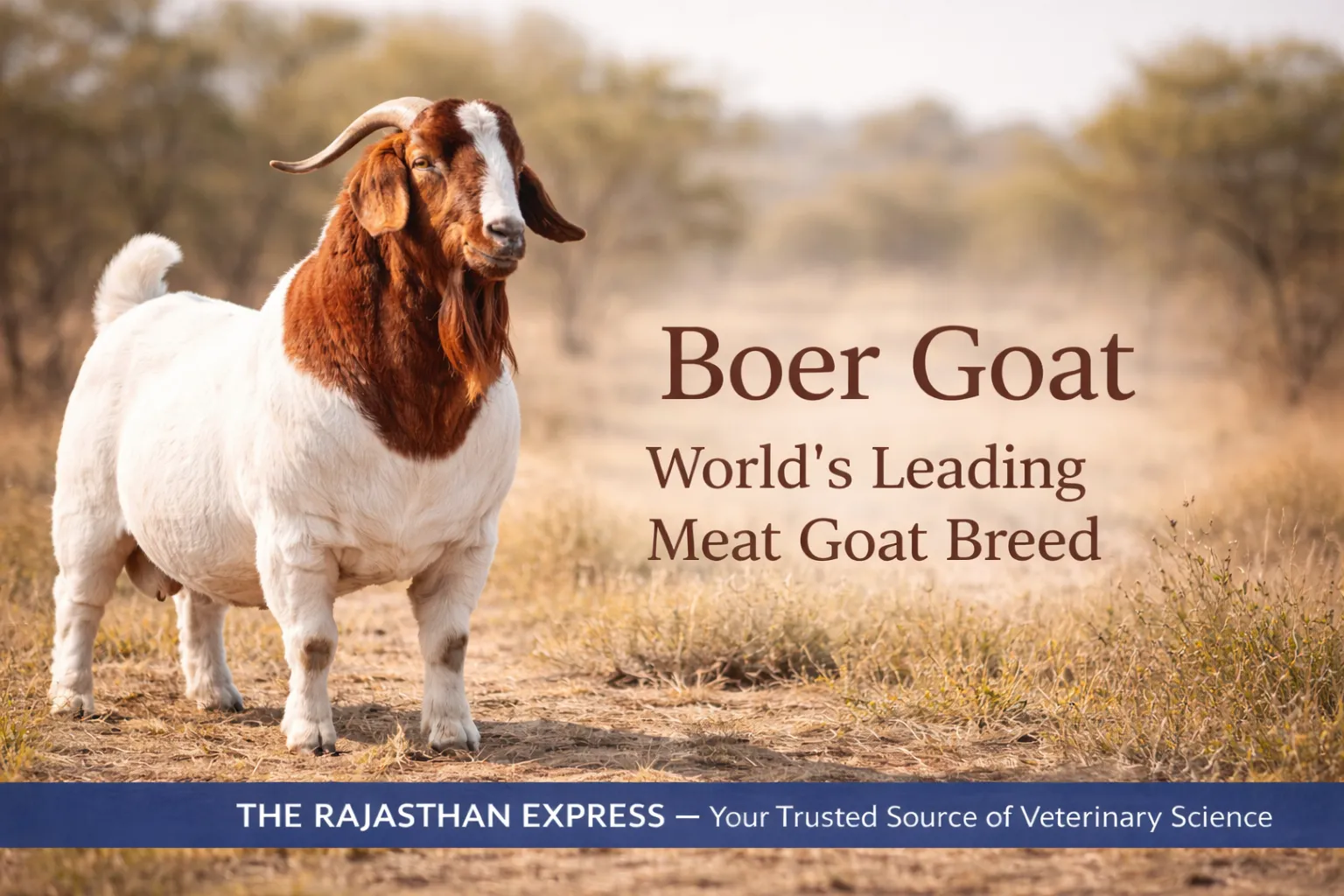
The Boer goat is a famous breed originating from South Africa. It is also known as the Africander, Afrikander, or South African Common Goat. It is considered the world’s most renowned and preferred meat goat. The Boer goat is a strong, heavy, and fast-growing breed. It is primarily used for meat production, land conservation, brush clearing, environmental management, and cross-breeding to improve other goat breeds.
Boer Goat Origin : Boer Goat Characteristics, Weight and Meat Production – Complete Guide
| Other Names / Synonyms | Africander, Boerbok, South African Meat Goat | |||||||||||||||
|---|---|---|---|---|---|---|---|---|---|---|---|---|---|---|---|---|
| Breed Status | Composite (Crossbred Meat Breed), officially developed in 20th century | |||||||||||||||
| Origin | South Africa (Eastern Cape, early 1900s) | |||||||||||||||
| Genetic Composition | Developed from Nubian, Saanen, Toggenburg, Angora and Indigenous African & Indian goats | |||||||||||||||
| Primary Use | Meat production, crossbreeding, land/brush management | |||||||||||||||
| Core Breeding Principle | Breed Improvement: Selection and crossbreeding for fast growth, high meat yield, and adaptability | |||||||||||||||
| Parent Breed Contributions |
| |||||||||||||||
| Key Advantage: High Productivity |
| |||||||||||||||
| Physical Characteristics |
| |||||||||||||||
| Size and Weight |
| |||||||||||||||
| Adaptability | Highly adaptable to hot, dry, and harsh climates; excellent drought tolerance and disease resistance | |||||||||||||||
| Reproduction |
| |||||||||||||||
| Meat Quality |
| |||||||||||||||
| Lifespan | 12–14 years (productive for ~10 years) | |||||||||||||||
| Global Importance |
| |||||||||||||||
| Legendary Connection | Discovery of coffee linked to Ethiopian goatherder Kaldi, whose goats became energetic after eating coffee berries (~9th century) | |||||||||||||||
| Sources: FAO; Stats SA; Oklahoma State University; Research Journals; The Rajasthan Express | ||||||||||||||||
Boer Goat Origin and Physical Characteristics
The Boer goat has a sturdy body structure and weighs significantly—a mature Boer buck can reach up to 110 kg. It adapts easily to different climates, which is why it is considered a secure and low-risk breed.
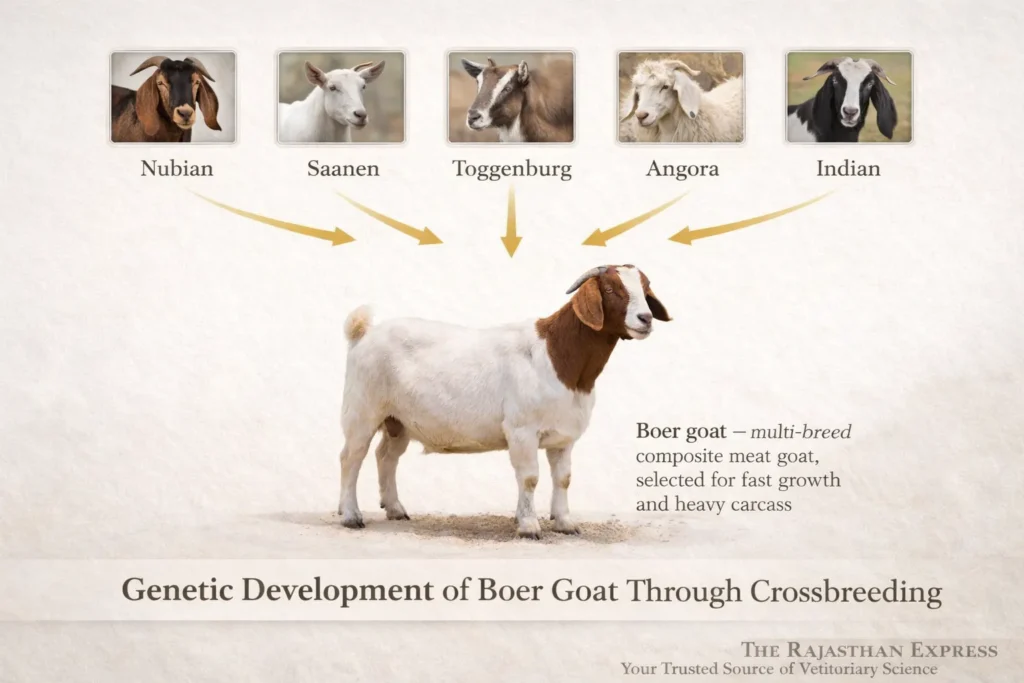
The origin of the Boer goat traces back to the crossing of several breeds, including Nubian, Saanen, Toggenburger, Angora, and some indigenous Indian goats. In other words, it is a cross-bred breed specifically developed for meat production.
The Boer goat is considered a very hardy breed. It can thrive easily in heat, drought, and harsh weather conditions. For this reason, it is counted among the most reliable goats for meat production worldwide.
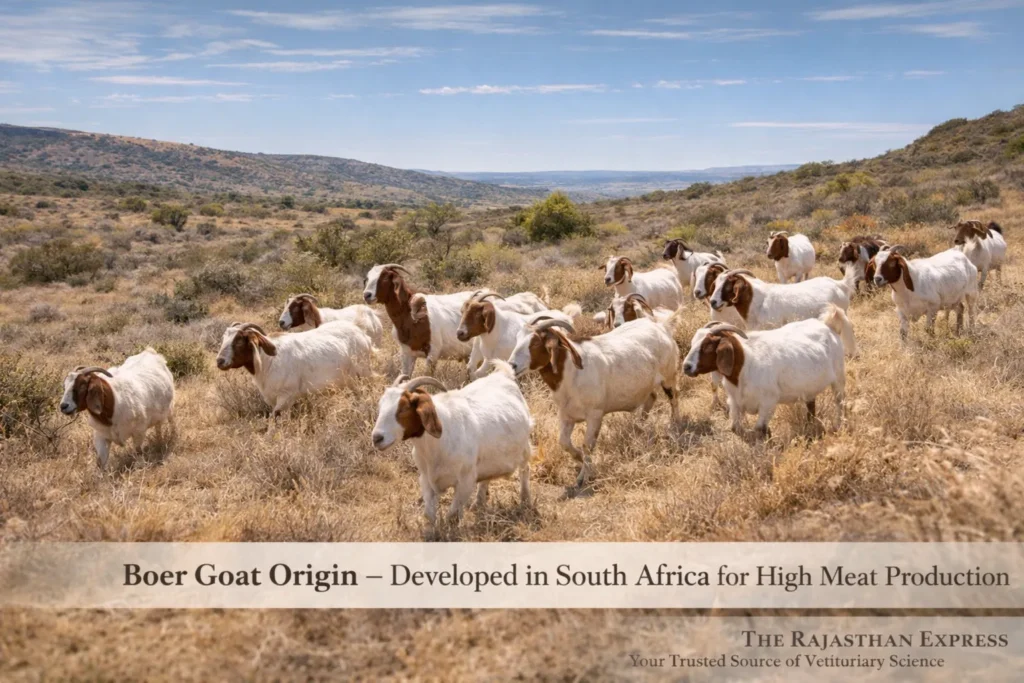
According to researchers, the early population of the Boer breed came from the Namaqua Hottentots and the Bantu tribes living in the south. In South Africa, Boer goats were initially raised by two major tribes—the Bantu and the Khoikhoi. These people crossbred local breeds to meet their dietary need for meat.
Read More About : Namaqua Hottentots Tribes
Later, around 1900, people crossbred several breeds—such as Nubian, Saanen, Toggenburger, Angora, and some indigenous Indian goats—to increase meat production. The Boer breed was developed as a result of this crossbreeding.
Read More About : Angora goat characteristics
The Boer goat typically reaches a weight of 100–110 kg, which is not seen in ordinary indigenous breeds. Such a heavy weight is only possible when a breed is created by crossing (crossbreeding) several strong and large breeds. For this reason, the Boer goat is considered a developed, high-production meat breed.
What is a Boer Goat?
The boer goat is one of the largest goat breeds in the world, known for its excellent meat production, rapid growth, strong reproductive capacity, and adaptability. Although its milk production is limited, its overall performance makes it one of the most valuable breeds for commercial goat farming.
The Meaning of “Boer” and Historical Development
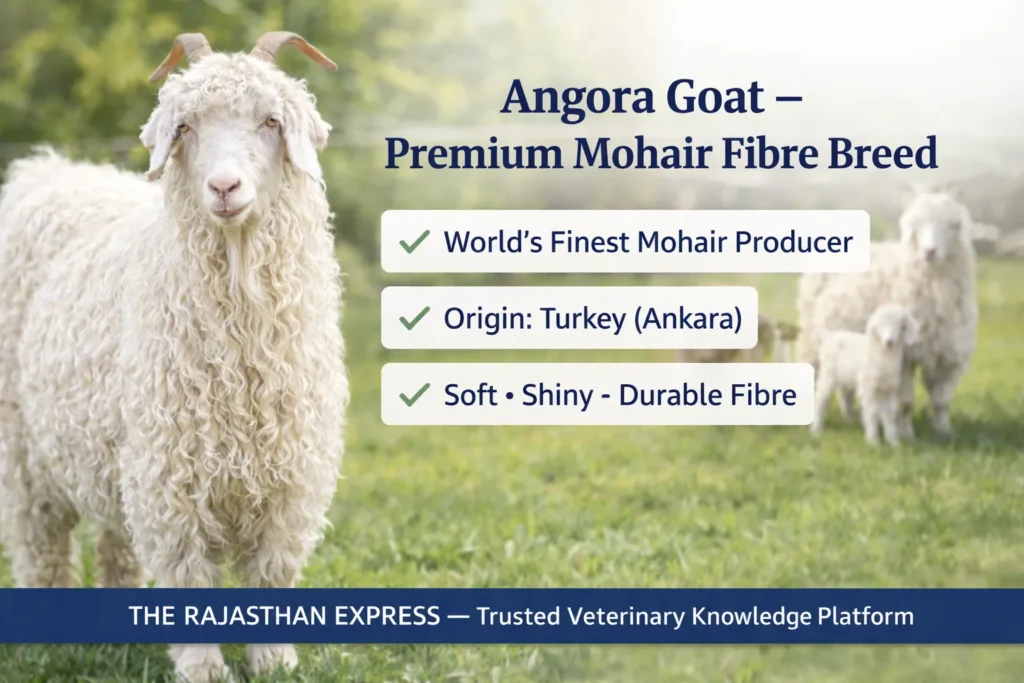
The word “Boer” comes from the Dutch language and means “farmer.” This name was given to distinguish it from Angora goats, which were brought to South Africa from Turkey in 1838 for mohair production. Today the situation is reversed—the Angora goat, which originated in Turkey, now has its largest mohair production in South Africa.
The modern Boer goat is said to have originated in the early 1900s, when farmers in the Eastern Cape of South Africa began developing a specific type of goat for meat production. The Boer goat was officially registered in 1959. In 1970, it was included in the National Mutton Sheep and Goat Performance Testing Scheme. This made it the first goat breed in not only South Africa but also the world to undergo such testing.
Goat Population in South Africa
According to the Stats SA 2023/24 report, South Africa has approximately 5.1 to 5.3 million goats.
- Most goats are found in the Eastern Cape (around 1.9 million), while Mpumalanga and Gauteng have the fewest.
- South Africa also has a very large population of Angora goats—about 800,000 to 1.2 million. These goats are raised for mohair production, and South Africa produces over 50% of the world’s mohair.
- Meat breeds such as Boer, Kalahari Red, and Savanna make up about 3–8% of the total goat population. In 2025, the total Boer goat population in South Africa is approximately 51,000.
- Dairy breeds (Saanen, Toggenburg, etc.) are very rare—less than 1% of the total population.
- In addition, crossbreeds are estimated to number around 100,000 to 300,000.
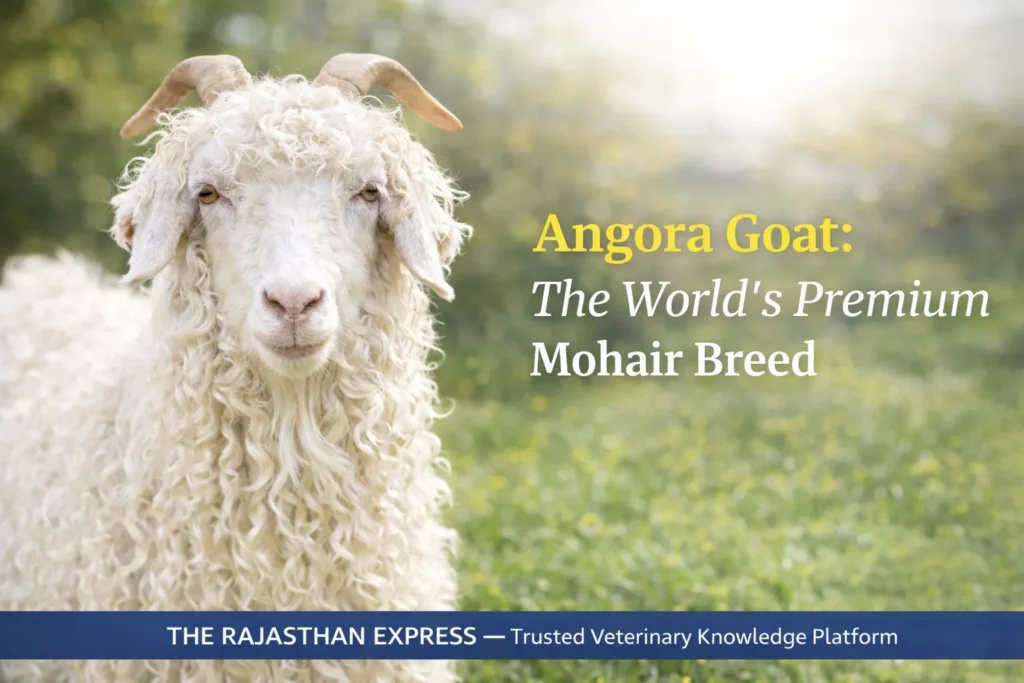
Read More About : Angora Goat Mohair Production
What Are Boer Goats Used For?
The Boer goat is primarily raised for meat production. This breed is extremely strong, heavy, and highly resistant to diseases. Therefore, it is considered one of the world’s most resilient and robust goat breeds.
This goat quickly adapts to different climates and grazing areas. It can thrive even in harsh, dry regions where other small livestock cannot survive, even with minimal water availability.
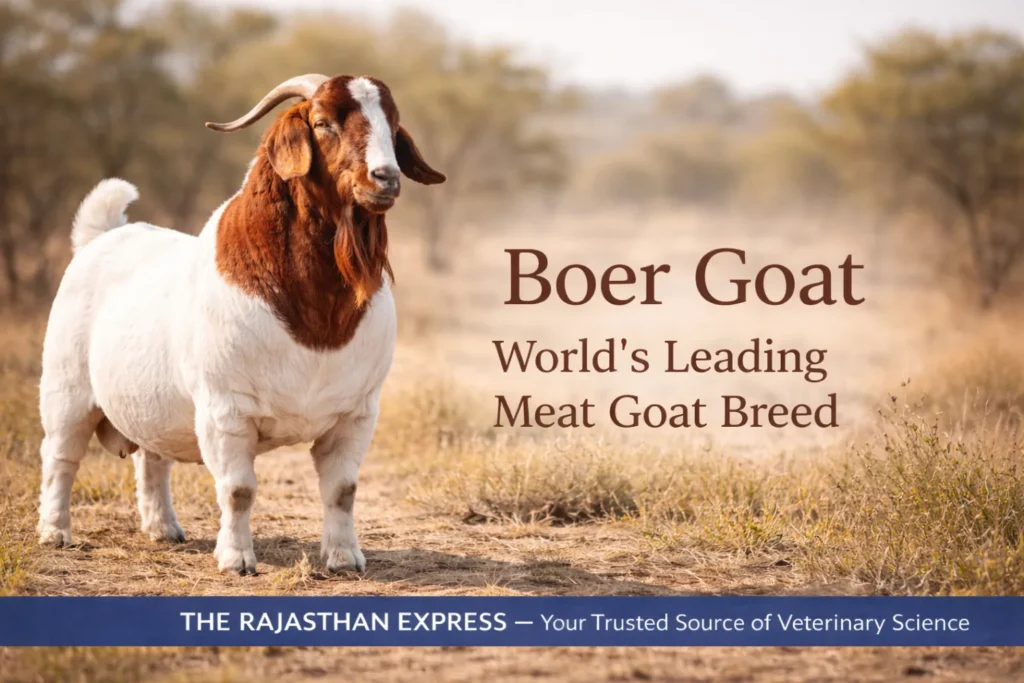
Its legs are strong, enabling it to cover long distances easily and move comfortably in hilly or bushy areas. The Boer goat consumes leaves, grass, and shrubs that other animals do not eat. This helps clear brush and maintains the balance of grazing areas. For this reason, they are often grazed alongside cattle.
The average lifespan of a Boer goat is 12 to 14 years, and it remains capable of bearing offspring for 10 years or more.
Boer Goat Meat Quality
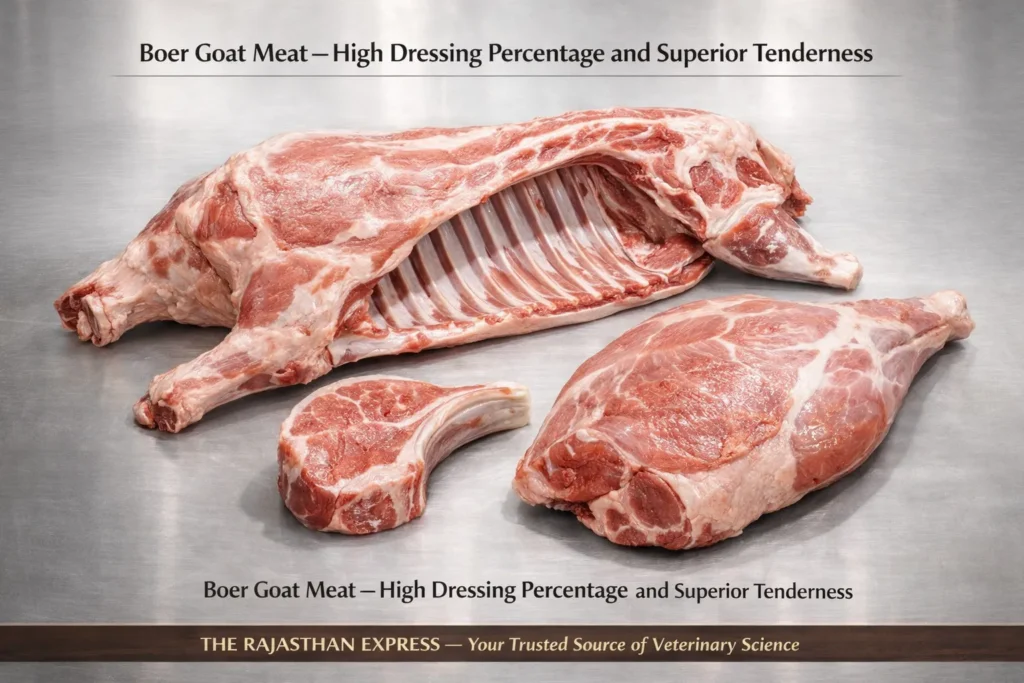
- Among mutton (Chevon) breeds, the Boer goat is considered to have the highest dressing percentage (the total meat yield from the body).
- In common sheep and goats, this is only 49–51%, whereas the Boer goat yields more.
- The meat of young Boer goats is tender, flavorful, and has light marbling, making it highly prized for consumption.
Global Use and Crossbreeding
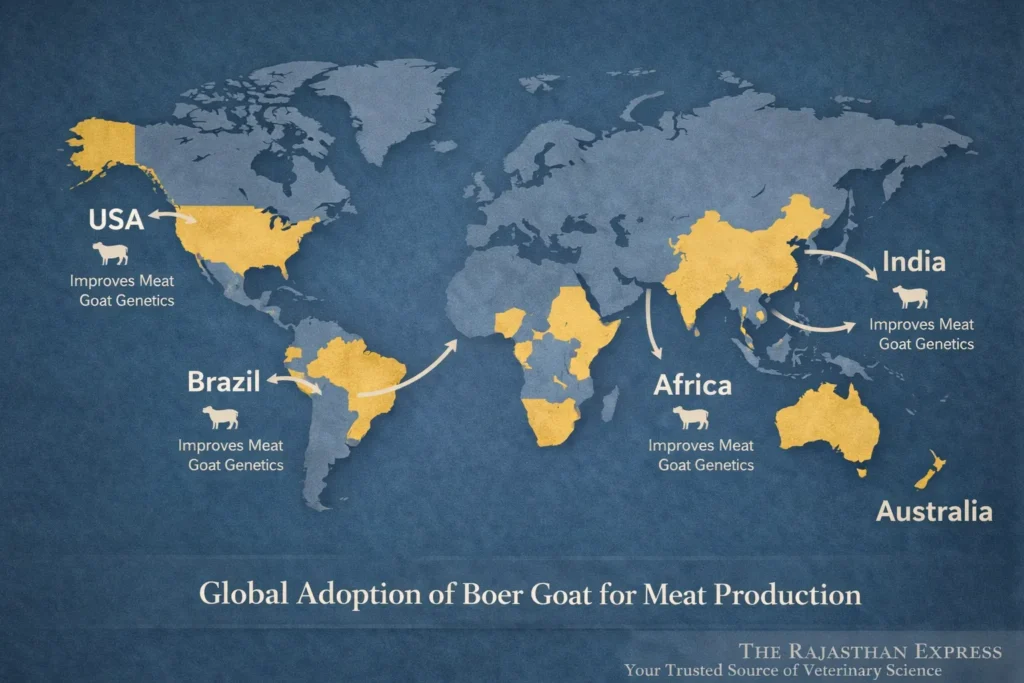
In many countries, including the United States, the Boer goat is used in cross-breeding to enhance the quality of other goat breeds. The skin of the Boer goat is also of very high quality. It is used to make shoes, gloves, bags, and book covers, and it sells at a good price.
Goat Farming in South Africa
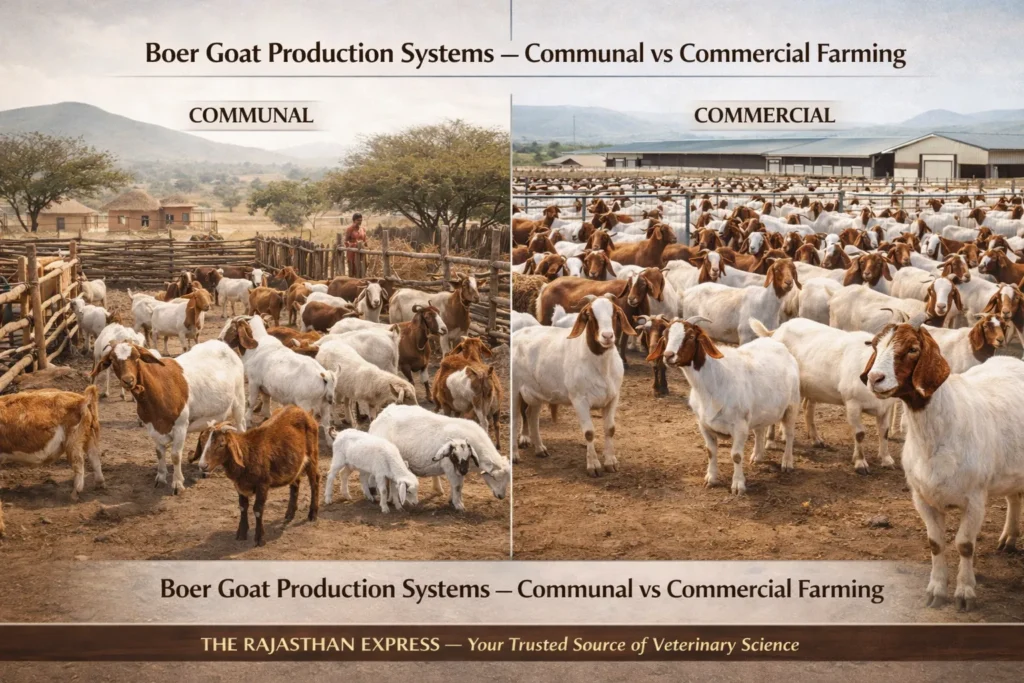
Goat farming in South Africa is mainly practiced in two ways:
- Smallholder / Communal Farming: This is the most common method, accounting for more than 65% of total goat farming.
- Commercial Farming: This involves commercial herds of breeds such as Boer, Kalahari Red, Savanna, and Angora.
In South Africa, indigenous goats make up the largest portion of the total population. Next, Angora goats are the most numerous because South Africa produces more than 50% of the world’s mohair.
Sources:
- https://www.namc.co.za/wp-content/uploads/2024/02/Report-GOAT-Market-Information-Day.pdf
- https://breeds.okstate.edu/goats/boer-goats.html
The Legendary Discovery of Coffee: A Goatherder’s Curiosity
Q: Do you know who discovered coffee?
It was about 1200 years ago… back in the 9th century.
In the lush, hilly region of “Kaffa” in Ethiopia, there lived a curious goat herder named Kaldi.
One day, like any other day, Kaldi took his goats to graze on the hills. His goats would usually graze calmly and return tired by evening.
But that day, something different was about to happen.
Around noon, he noticed that some of his goats had gathered near a strange bush and were eating its shiny red berries. Kaldi had never paid attention to that bush before.
But the truly surprising part was yet to come!
As soon as the goats ate those red berries, they suddenly became very energetic—they started jumping, running around, and dancing as if some electric current had surged through them! It seemed as if they had forgotten all their fatigue in an instant.
Kaldi was astonished.
A question arose in his mind: “What is it about these berries?”
Driven by curiosity, he himself picked and ate a few berries. The taste was a bit bitter, but within a short while, he too felt the same vigor and freshness. He felt as if all lethargy had vanished and he was feeling light from within.
Excited, Kaldi took this magical discovery to a nearby monastery. There, he told a Sufi saint everything and showed him the berries.
The saint thought it might be something harmful, so he threw the berries into the fire.
But as the berries began to roast, a wonderful, sweet aroma spread around.
The fragrance was so delightful that the saint could not resist. He boiled the roasted seeds in water.
And that is how the world’s first cup of coffee was prepared.
This beverage proved to be a blessing for the monks in the monastery—it helped them stay awake during their long nightly prayers.
Thus, the curiosity of an ordinary goatherd… and his dancing goats… gave the world that drink whose aroma still awakens millions of people every morning and fills them with new energy.
So, the next time you take a sip of coffee, do remember the goatherd Kaldi and his dancing goats. ☕🐐
What is a Boer Goat? Origin and Naming
The boer goat is also known by several other names such as Africander, South African Common Goat, Boerbok (in Afrikaans), and Boer Goat Kalahari. The origin of the boer goat is believed to be a mixture of several breeds. It has been developed by combining breeds like Nubian, Saanen, Toggenburger, Angora, and some indigenous Indian goats.
The boer goat is a cross-bred breed that was specially developed for meat production. Its name is derived from the Dutch word “Boer,” which means farmer.
Identification of Boer Goat (Boer Goat Characteristics)
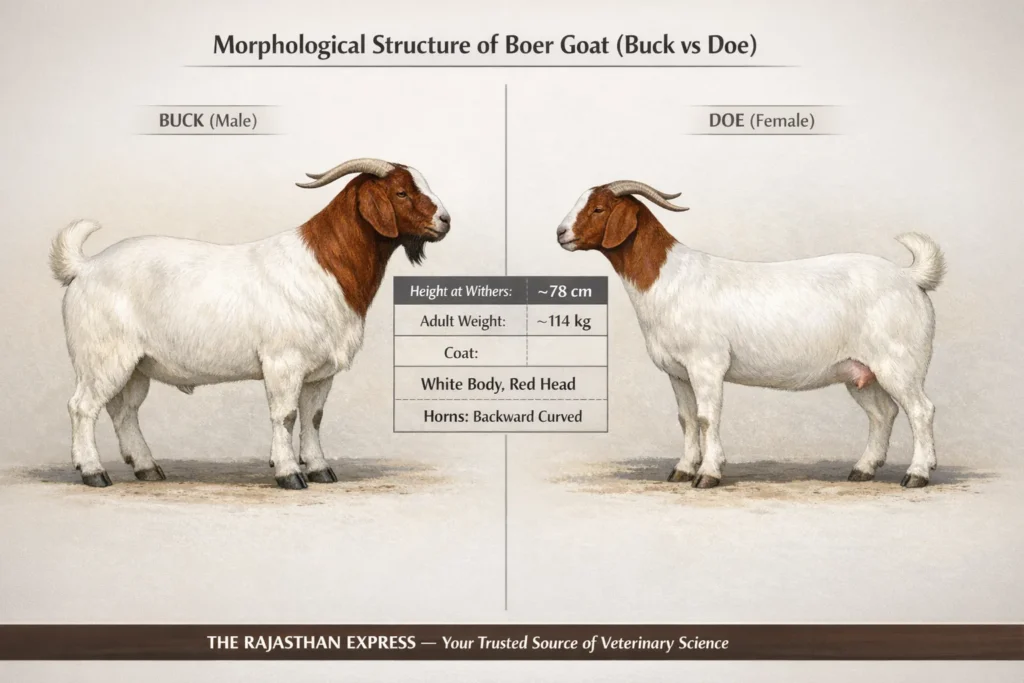
Body Color
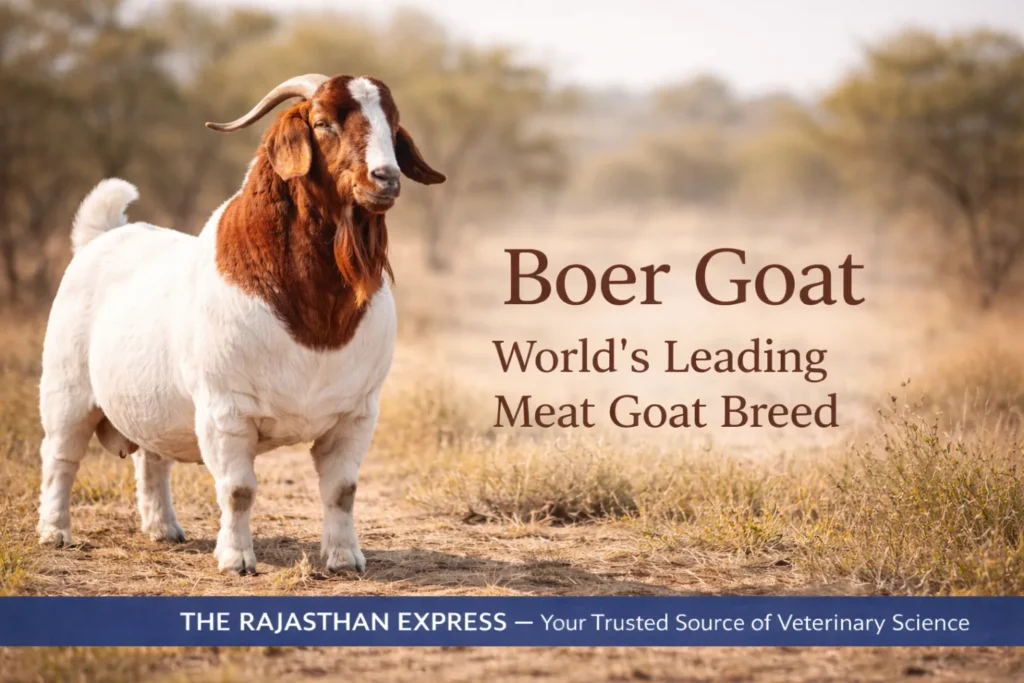
- The boer goat is generally white in color with a red head. This breed is famous worldwide due to its large size, rapid weight gain, high-quality meat, ability to withstand harsh climates, and calm nature.
Eyes and Ears
- These goats have brown eyes, long drooping ears, backward-curving horns, and very strong legs.
Boer Goat Weight (Body Weight Details)
- Adult female boer goat (doe): 90–100 kg
- Adult male boer goat (buck): 110–135 kg
Grazing Habit of Boer Goat
- The boer goat can easily graze in bushes and causes minimal damage to grass with its feet. Because of this, in South Africa, they are often grazed along with cattle, ensuring better utilization of pasture.
Weaning Rate in Boer Goats
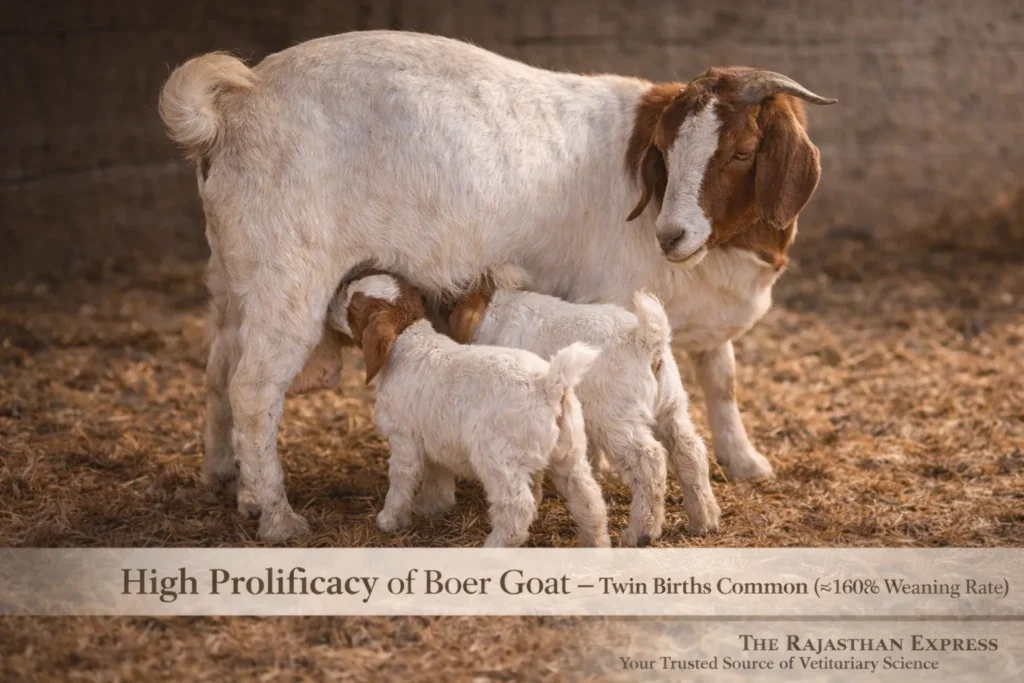
- This breed has excellent reproductive efficiency. Boer goats have a weaning rate of more than 160%, meaning most females successfully raise twins to weaning age.
- Females produce sufficient milk even with minimal care, helping kids grow quickly.
Reproductive Capacity (Boer Goat Breeding Ability)
- Boer goats are considered excellent breeders. They can give birth twice in three years and often produce twins, sometimes even triplets.
- The twinning rate in this breed is observed to be around 200%.
Main Advantages of Boer Goat (Boer Goat Meat Production Benefits)
The biggest advantage of the boer goat is its ability to pass on superior traits when crossbred with other female breeds. These traits include:
- Large body size
- Fast growth rate
- High-quality meat
This is why the boer goat is highly valued worldwide for increasing meat production.
Milk Production of Boer Goat
In South Africa, the boer goat is mainly reared for meat production because its milk production is relatively low.
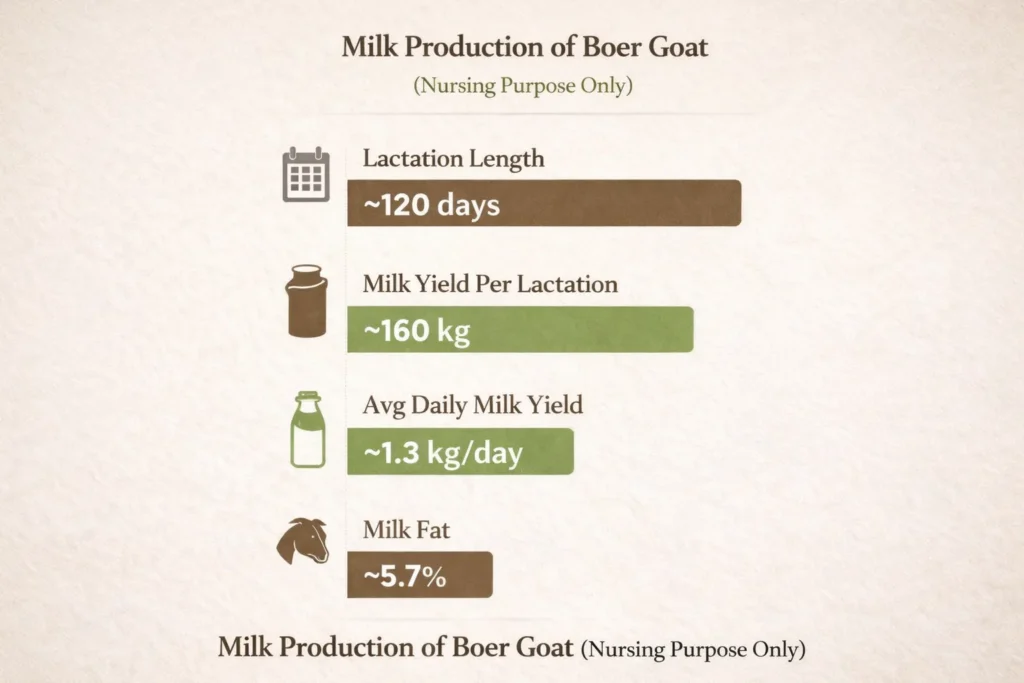
A boer goat produces an average of 160 kg of milk during one lactation period (approximately 120 days). This means that after giving birth, the goat produces around 160 kg of milk over the entire lactation period.
However, the milk is highly nutritious, containing about 5.7% milk fat. This fat percentage is higher than many cows, such as Holstein-Friesian. High-fat milk supports faster growth in kids.
- Daily milk production of a boer goat is approximately 1.3 kg (or 1.3 liters).
Calculation:
Daily Milk Production = Total Milk Production / Lactation Days
= 160 kg / 120 days
= approximately 1.33 kg per day
This quantity of milk is sufficient for feeding kids, ensuring healthy and rapid growth. However, it is considered low for commercial dairy purposes, which is why boer goats are not raised primarily for milk.
| Boer Goat Milk Production | |||||
| Category | Metric | Min | Avg. | Max | Unit |
|---|---|---|---|---|---|
| Milk Information | Milk per year | – | – | – | kg |
| Lactation length | – | 120 | – | days | |
| Milk yield per lactation | – | 160 | – | kg | |
| Milk fat | – | 5.7 | – | % | |
| Milk protein | – | – | – | % | |
| Milk per day | – | 1.3 | – | kg | |
| Number of lactations | – | – | – | – | |
| Prolificacy | Litter size | – | 1.64 | – | – |
| Management Conditions | Management system | – | – | – | – |
| Feeding of adults | – | – | – | – | |
| Mobility | – | – | – | – | |
| The Rajasthan Express : Boer Goat Milk Production | |||||
Boer Goat Performance Record (Growth & Productivity)
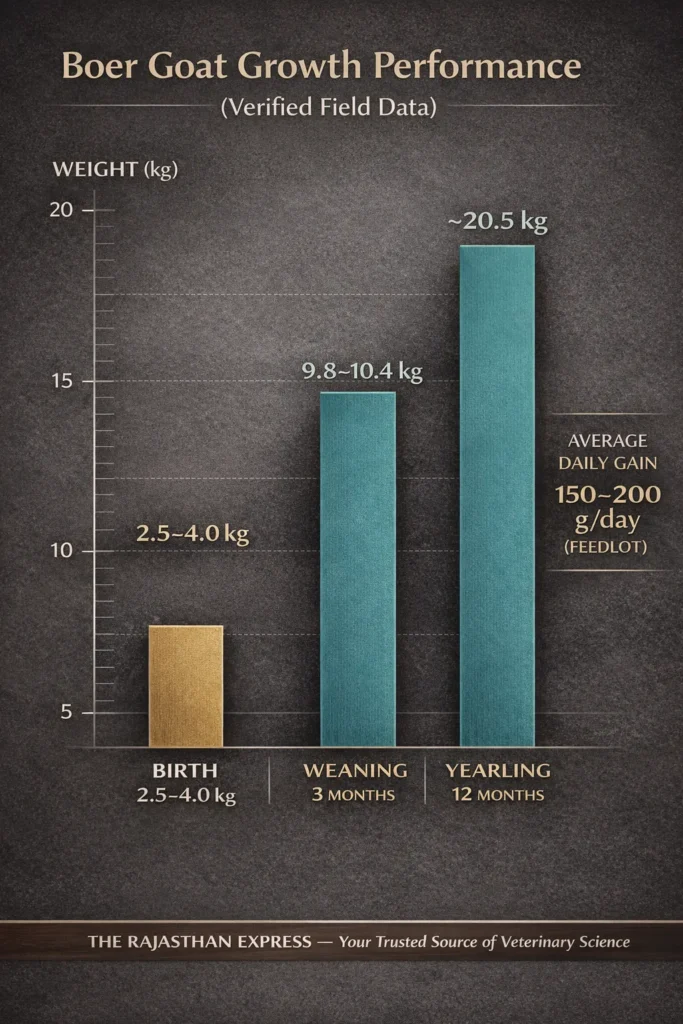
Performance records show that the boer goat gains weight very quickly.
- High-quality boer goats can gain up to 200 grams per day in feedlot conditions.
- Average boer goats gain about 150–170 grams per day.
Their reproductive capacity is also strong. A female boer goat typically produces 1 to 4 eggs (Secondary Oocyte), with an average of around 1.7. This increases the chances of twins or sometimes triplets, leading to faster herd growth, higher meat production, and better profitability for farmers.
In this breed, a kidding rate of around 200% is common, meaning most females give birth to twins.
Maturity and Breeding Cycle
- Male boer goats become reproductively active at around 6 months of age.
- Female boer goats become reproductively active at 10–12 months.
They also have a long breeding season, allowing them to give birth three times in two years. This makes the boer goat highly beneficial for farmers.
| Boer Goat Performance Data (THE RAJASTHAN EXPRESS) | |||
| Performance Parameter | Male (Average) | Female (Average) | Key Findings & Cross-Verification |
|---|---|---|---|
| Birth Weight (kg) | 2.5 – 4.0 kg | 2.5 – 4.0 kg | The number of kids a goat produces at one time (litter size) and parity affect weight. Multiparous females usually produce heavier and stronger kids. |
| Weaning Weight (~3 months) | 9.8 – 10.4 kg | 9.8 – 10.4 kg | Growth before weaning depends on milk production of the mother and quality of care. |
| Yearling Weight (12 months) | 20.5 kg | 20.5 kg | Observed under semi-intensive systems. Post-weaning growth depends on gender, feed, and water. Similar patterns seen in Ethiopian crossbred goats. |
| Average Daily Gain | Phase Based | Phase Based |
✔ Good Growth: 3 Months: ~80–200 g 3–6 Months: ~38–170 g ⚠ Lower Phase: 6–12 Months: ~31–42 g |
| Kleiber Ratio | Phase Based | Phase Based |
✔ High Efficiency: 3 Months: ~14.0 g ⚠ Decline with Age: 3–6 Months: ~5.2 g 6–9 Months: ~4.7 g 9–12 Months: ~3.0 g |
| Age at First Parturition | – | 11–12 months | ⚠ Critical Management Factor Growth rate after weaning depends on gender, feeding, and management. Similar observations reported in Ethiopian crossbred goats. |
|
Source: Performance and Ruminal Parameters of Boer Crossbred Goats Fed Diets that Contain Crude Glycerin PMCID: PMC6912478 | PMID: 31766209 | |||
Note: on Kleiber Ratio
THE RAJASTHAN EXPRESS : Your Trusted Source for Animal Care and Veterinary Science.
The Kleiber Ratio is a measure that indicates how efficiently an animal grows relative to its body weight. It helps determine the growth performance of the animal.
| Body Measurements of Boer Goat | ||
| Trait | Male | Female |
|---|---|---|
| Average Shoulder Height | 78 cm 🟢 | 78 cm 🟢 |
| Average Weight | 114 kg 🟢 | 94 kg 🔴 |
| The Rajasthan Express : Boer Goat Body Measurements | ||
Feeding Crude Glycerin to Goats: Is It a Safe Energy Source or a Risk?
Crude glycerin, which remains as a by-product during biodiesel production, can be used as an additional energy source in goat feed. Compared to expensive grains like maize, it is cheaper and can help reduce the overall cost of feed. At the same time, it utilizes waste generated in the biodiesel industry, making it a useful alternative. However, it is also associated with some important risks, which makes it clear that it should only be used carefully and in limited quantities.
Crude Glycerin in Goat Feed (Energy Source Overview)
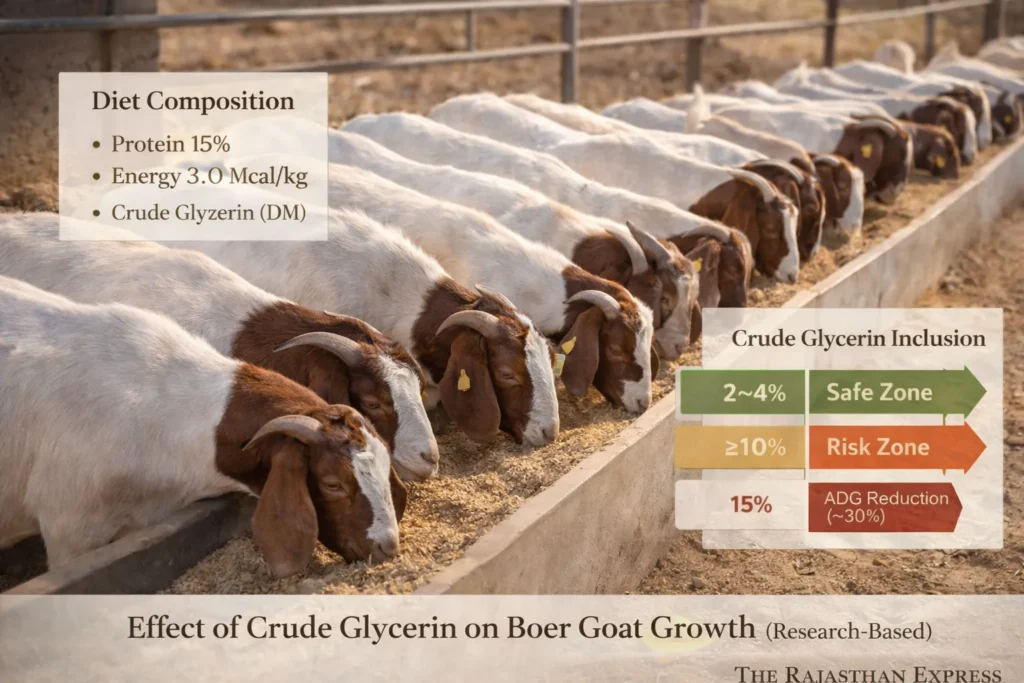
The biggest advantage of glycerin is its low cost and its ability to provide energy. However, its drawbacks make it risky. Studies have shown that adding glycerin to feed reduces feed intake in goats, which in turn slows down their weight gain.
For example, when 15% glycerin was included in the feed, a reduction of about 30% in weight gain was observed. Glycerin also weakens fat digestion. In addition, it may contain impurities like methanol, which negatively affect appetite and can harm the health of goats.
Effects of Glycerin on Boer Goats (Boer Goat Feeding Impact)
In a study conducted on boer goats, it was clearly observed that as the level of glycerin in the diet increased, feed intake, weight gain rate, and rumen pH levels were adversely affected.
- Diets without glycerin showed normal feed intake and the best daily weight gain.
- At 5% inclusion, the effects remained relatively mild.
- At 10%, the risks increased significantly.
- At 15%, it proved to be harmful.
Other studies suggest that only 2% to 4% glycerin use is considered safe. Beyond this level, especially at 8% or higher, rumen pH levels change abnormally, which is dangerous for digestion.
Potential Benefits of Crude Glycerin in Goat Feed
Cost Reduction
- The biggest benefit of crude glycerin is that it is much cheaper than traditional grains. This helps reduce the total feed cost.
Good Energy Source
- Glycerin provides quick energy to the animal’s body, making it an alternative energy source.
Waste Utilization
- It is a by-product of the biodiesel industry, so its use converts waste into a valuable resource.
Main Losses & Risks of Feeding Glycerin
Reduced Feed Intake
- Several studies have found that goats consume less feed when glycerin is added. This is the biggest drawback, as it directly affects growth.
Reduced Weight Gain
- Lower feed intake directly reduces weight gain. In one major study, feeding 15% glycerin reduced weight gain by about 30%, which is a clear economic loss in commercial farming.
Negative Impact on Digestion
- Higher levels of glycerin affect fat digestion, reducing energy utilization and increasing the risk of health problems.
Risk of Impurities
- Crude glycerin may contain impurities like methanol, which can reduce appetite, cause weakness, and lead to digestive problems.
| Research Insights: What is the Safe Level of Glycerin? | ||||
| Glycerin Level (Dry Matter Basis) | Feed Intake | Average Daily Gain (ADG) | Rumen pH | Recommendation |
|---|---|---|---|---|
| 0% (No glycerin) | Normal | Best (122 g/day) 🟢 | Normal (6.27) | Reference point |
| 5% (50 g/kg) | Slightly reduced | Reduced | Slightly increased (6.34) | ✔ Safe limit |
| 10% (100 g/kg) | Reduced | Further reduced | Increased (6.42) | ⚠ Risky |
| 15% (150 g/kg) | Lowest 🔴 | Lowest (87 g/day) 🔴 | Highest (6.49) | ❌ Harmful |
| The Rajasthan Express : Glycerin Feeding Research Insights | ||||
Scientific Basis (Safe Inclusion Levels)
Many studies have found that adding 2% to 4% glycerin (20–40 g per kg of dry feed) is generally safe. At this level, no negative impact on the digestive system is observed.
However, once the level reaches 8% (80 g/kg) or higher, rumen pH begins to change abnormally, which can lead to digestive problems. Therefore, higher levels are considered dangerous.
Important Advisory for Goat Farmers
1. Maintain Strict Quantity Control
- Never mix more than 5% (50 g/kg) glycerin in feed.
- The safe range is considered 2–4%, but even within this range, caution is necessary.
2. Ensure Quality Check
Always purchase:
- Low methanol content glycerin
- Clean, odorless, high-quality crude glycerin
Poor-quality glycerin can reduce appetite and harm health.
3. Start Gradually
- Begin with only 1% inclusion.
- Increase slowly over 2–3 weeks so that the goat’s digestive system can adapt.
- Sudden high inclusion may disturb digestion.
4. Regular Monitoring
- Observe whether goats are eating normally.
If symptoms like reduced appetite, lethargy, bloating, or any abnormal signs appear, stop feeding glycerin immediately. - Regular monitoring helps detect problems early.
Final Verdict (Should You Use Glycerin in Goat Feed?)
What to Do
- If glycerin is very cheap, pure, and obtained from a reliable source, it can be used very carefully in quantities below 4% (40 g/kg).
What Not to Do
- If your goal is rapid weight gain in goats, relying on glycerin is not advisable. Higher inclusion levels slow down weight gain, and the potential losses may exceed the cost savings.
Boer Goat Population in South Africa (Boer Goat Origin Country Insights)
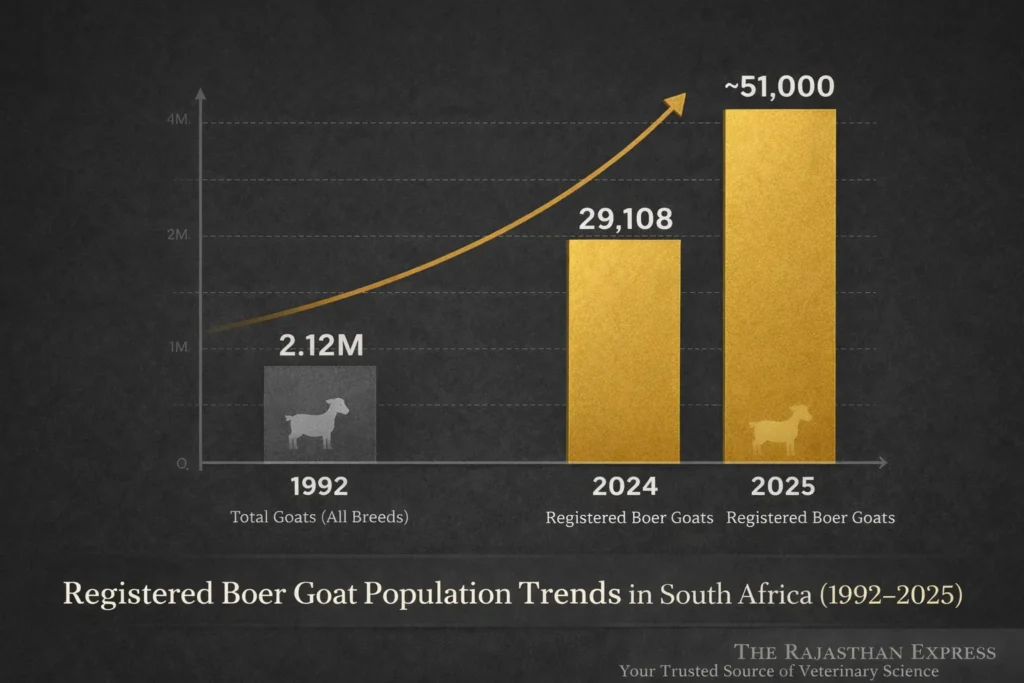
According to FAO, in 1992, there were a total of 2.12 million (approximately 2.1 million) goats in South Africa. This number represents all goats in the entire country—including a large population of Indigenous Veld Goats found in rural areas, which are not registered in any official breed registry. This means that the figure is not specific to the boer goat, but rather a combined total of Angora, local breeds, and all other goats. The purpose of FAO is to report the total livestock population of a country, not to track the purity of a specific breed.
On the other hand, in 2024, the number of registered pure boer goats in South Africa was 29,108. In 2025, this number increased to approximately 51,000. This figure represents only the boer goat breed, not the total population of all goat breeds.
Therefore, both statistics are correct, but they represent two different aspects—
- The 1992 data shows the total number (quantity) of goats.
- The 2024–25 data reflects the purity and quality of the selected boer goat breed.
| Boer Goat Population Dynamics by Year: South Africa | |||||
| Metric | 1992 | 2021 | 2022 | 2024 | 2025 |
|---|---|---|---|---|---|
| Last Update | 28/02/2006 | 31/03/2021 | 26/01/2022 | 15/01/2024 | 13/01/2025 |
| Population Min / Max | 2,120,000 | 28,757 / 35,354 | 1,000 / 36,787 | 1,000 / 29,108 | 40,000 / 51,000 |
| Trend | Stable | – | ⬆ Increasing | ⬇ Decreasing | ⬆ Increasing |
| Based on | Census at species level | – | Census at breed level | Census at breed level | Census at breed level |
| Breeding Males / Females | 46,000 / 1,380,000 | 7,867 / 20,890 | 8,985 / 27,727 | 7,901 / 21,207 | 9,576 / 25,905 |
| Females Registered in Herdbooks | – | 20,806 | 27,727 | 21,061 | 25,696 |
| Females Bred Pure | 98 | – | 27,727 | 21,016 | 25,906 |
| Herds | – | – | – | – | – |
| Herd size (avg) | – | – | – | – | – |
| AI Used | No | – | – | Yes | Yes |
| Males in AI | 0 | – | – | – | – |
| In situ Conservation Programmes | – | – | Yes | Yes | Yes |
| Reliability | Unknown | Reliable | Reliable | Reliable | Reliable |
| The Rajasthan Express : Boer Goat Population Dynamics | |||||