 By
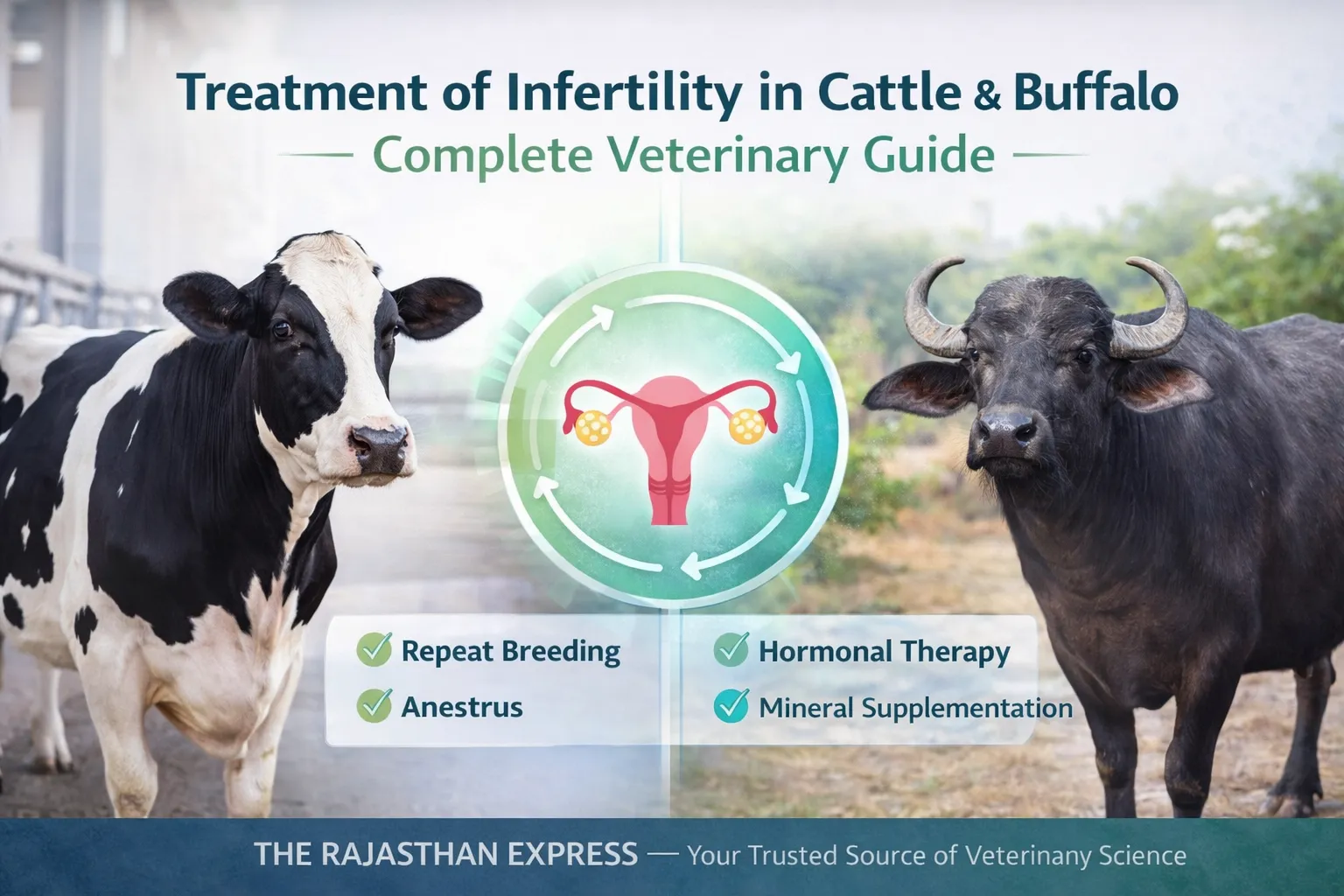
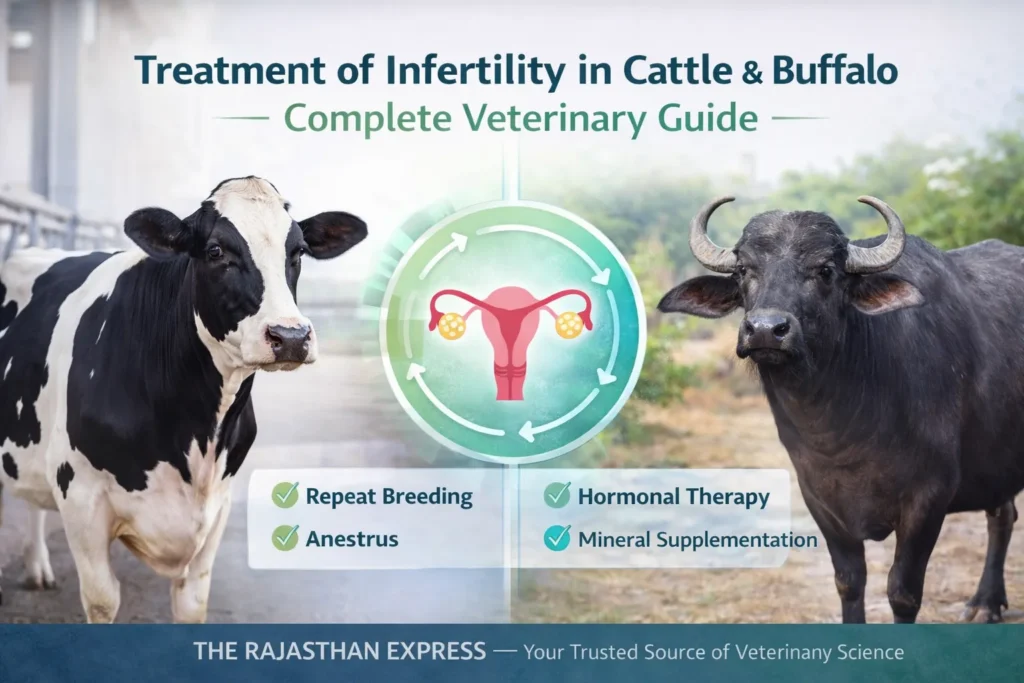
ByTreatment of Infertility in Cattle and Buffalo: Complete Veterinary Guide for Repeat Breeding and Postpartum Anestrus
Cattle Buffalo Infertility: Anoestrus and Repeat Breeding in Dairy Animals
Infertility in cattle and buffalo is a major concern for dairy farmers. After calving, animals may not come into heat (Anoestrus), or despite coming into heat repeatedly, they may fail to conceive. In veterinary science, this condition is known as Repeat Breeding in Cattle. This issue significantly affects milk production and leads to temporary infertility in cows and buffaloes.
To address this problem, Cattle Remedies India Limited has prepared a special combination of three medicines: Calmin, Uterotone Liquid, and Uterotone Capsule.
Causes of Infertility in Cattle and Buffalo
Infertility in cattle may arise due to:
- Nutritional causes of infertility in cows
- Uterine Infection causes of infertility in cattle
- Hormonal imbalance
- Postpartum uterine infections
- Negative energy balance
- Mineral and vitamin deficiencies
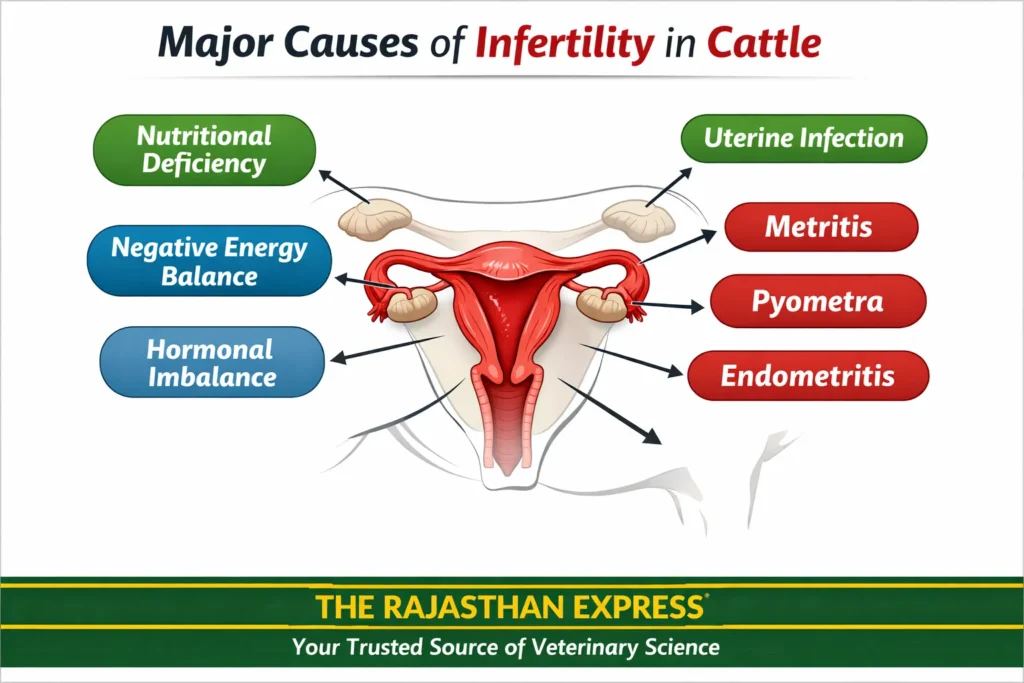
These factors contribute to:
- Symptoms of infertility in cattle
- Symptoms of repeat breeding in cattle
- Reduced conception rate
- Increased calving interval
- Economic losses in dairy farming
Infertility in Cattle & Buffalo
Cattle Buffalo Infertility: Anoestrus and Repeat Breeding in Dairy Animals
| What is the Problem? |
Infertility in cattle and buffalo refers to failure to conceive after calving or repeated breeding.
Common forms include:
| ||||||||||||
|---|---|---|---|---|---|---|---|---|---|---|---|---|---|
| Why It Matters |
| ||||||||||||
| Main Causes |
| ||||||||||||
| Types of Uterine Infection |
| ||||||||||||
| Common Symptoms |
| ||||||||||||
| Scientific Explanation |
Reproduction is controlled by the Hypothalamus–Pituitary–Ovarian (HPO) Axis.
If nutrition, hormones, or uterine health are disturbed:
| ||||||||||||
| Nutritional Factors |
Deficiency of the following affects fertility:
| ||||||||||||
| Treatment Strategy |
Effective infertility management requires a combined approach:
| ||||||||||||
| Post-Calving Management Timeline |
| ||||||||||||
| Repeat Breeding Definition |
A cow or buffalo that:
| ||||||||||||
| Hormonal Therapy Used in Practice |
| ||||||||||||
| Expected Outcomes After Proper Treatment |
| ||||||||||||
| Important Advisory | Diagnosis and treatment must be conducted under supervision of a qualified veterinarian. Improper hormonal or antibiotic use can worsen reproductive health. | ||||||||||||
| Scientific Sources | ICAR • FAO • USDA • NRC • PubMed Veterinary Studies |
Understanding Uterine Infection in Cattle: Types and Definitions
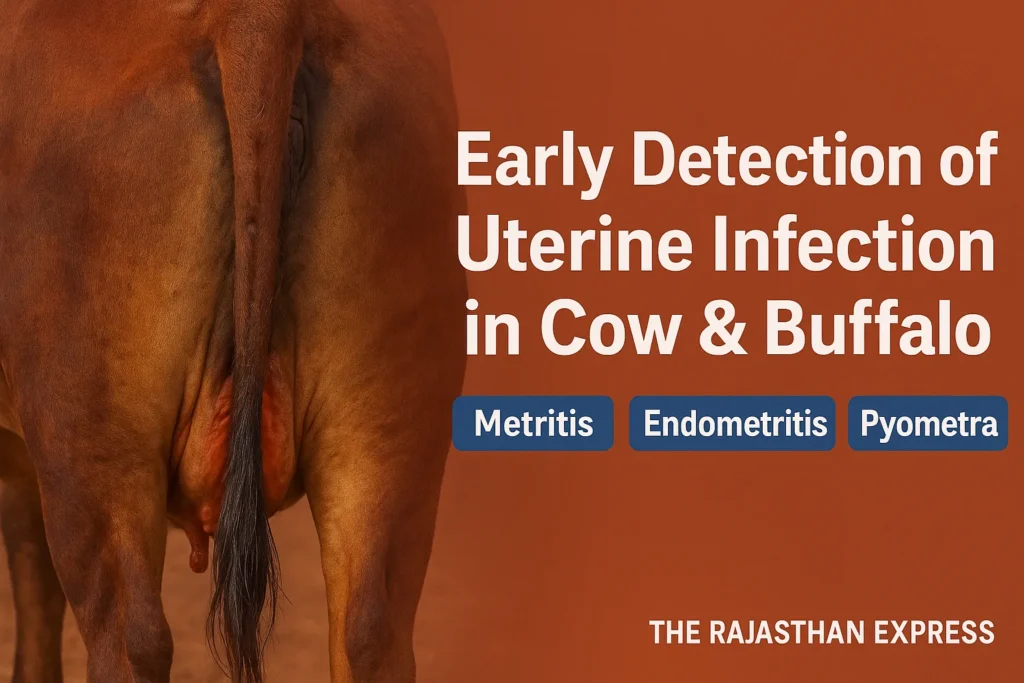
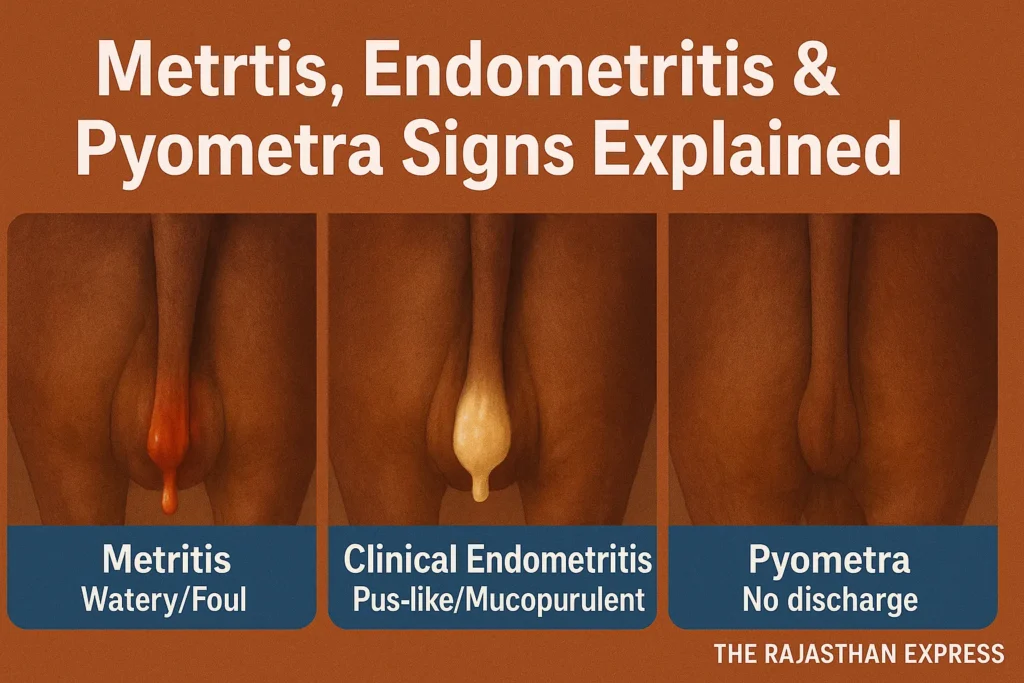
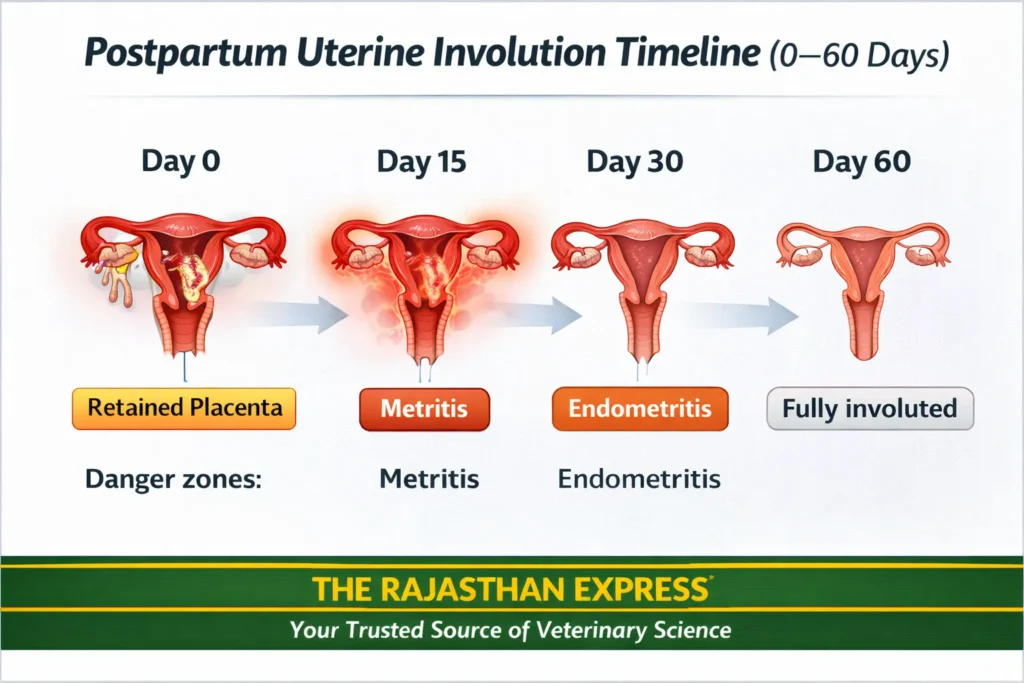
Uterine infection, also known as postpartum uterine inflammation (Postpartum Metritis) or Endometritis, is primarily an inflammation of the inner lining of the uterus caused by a bacterial infection after calving or abortion. Uterine infections are a serious problem that affects the dairy industry and livestock farmers economically, directly impacting fertility and increasing the calving interval.
Metritis In Cattle
- This is a deep inflammation of the uterus occurring immediately after calving (puerperal period). The animal shows general symptoms like fever and lethargy. The uterus becomes enlarged and produces a watery or pus-like (purulent) discharge.
Endometritis In Cattle
- This is an inflammation of the inner lining of the uterus (Endometrium). After calving, there is a pus-like discharge, but the animal appears normal. In sub-clinical endometritis, no external discharge is visible, only inflammatory cells are found in the uterus.
Pyometra In Cattle
- In this condition, the infection becomes closed inside the uterus and fills with pus. This situation occurs due to the persistence of the corpus luteum and often produces symptoms similar to pregnancy.
Time of Infection: This infection usually occurs within the first 24 hours to 10 days after calving.
Causes of Infertility in Cattle and the Importance of Mineral Supplementation
Role and Importance of All Three Medicines
1. Calmin – Mineral Deficiency Corrector
Mineral-vitamin supplements like Calmin are extremely essential for animal health, especially in milking cows and buffaloes after calving. During calving and milk production, large amounts of calcium, phosphorus, magnesium, trace minerals, and vitamins A, D, and E are depleted from the animal’s body. If these nutrients are not replenished in time, the animal becomes weak, becomes more susceptible to diseases, the uterus does not clean properly, and difficulty arises in conceiving again. Supplements like Calmin are given to fulfill this deficiency.
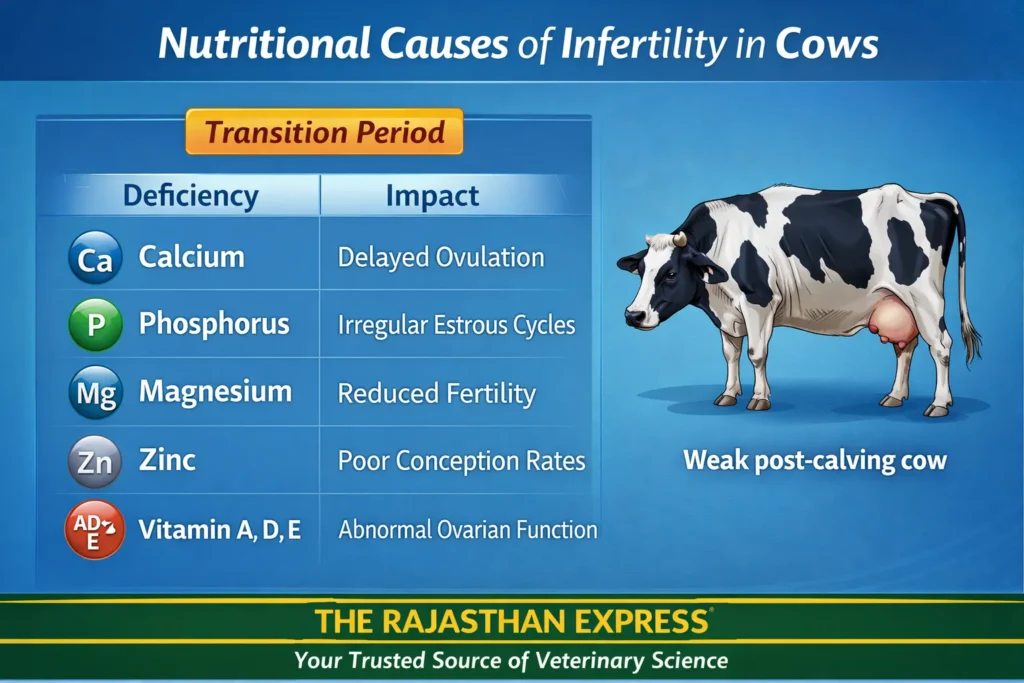
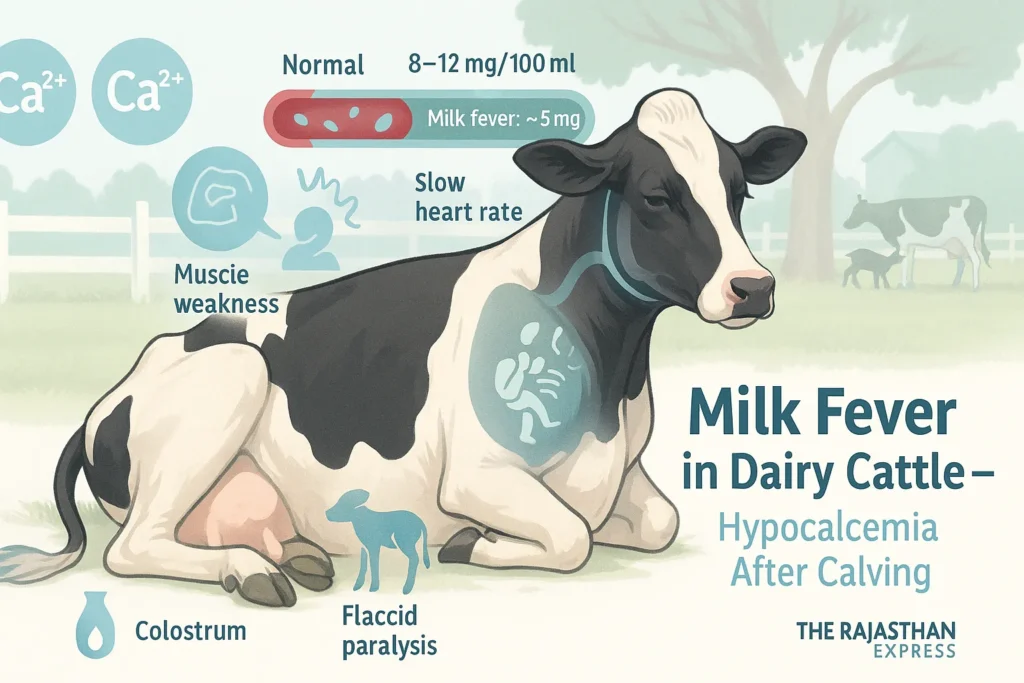
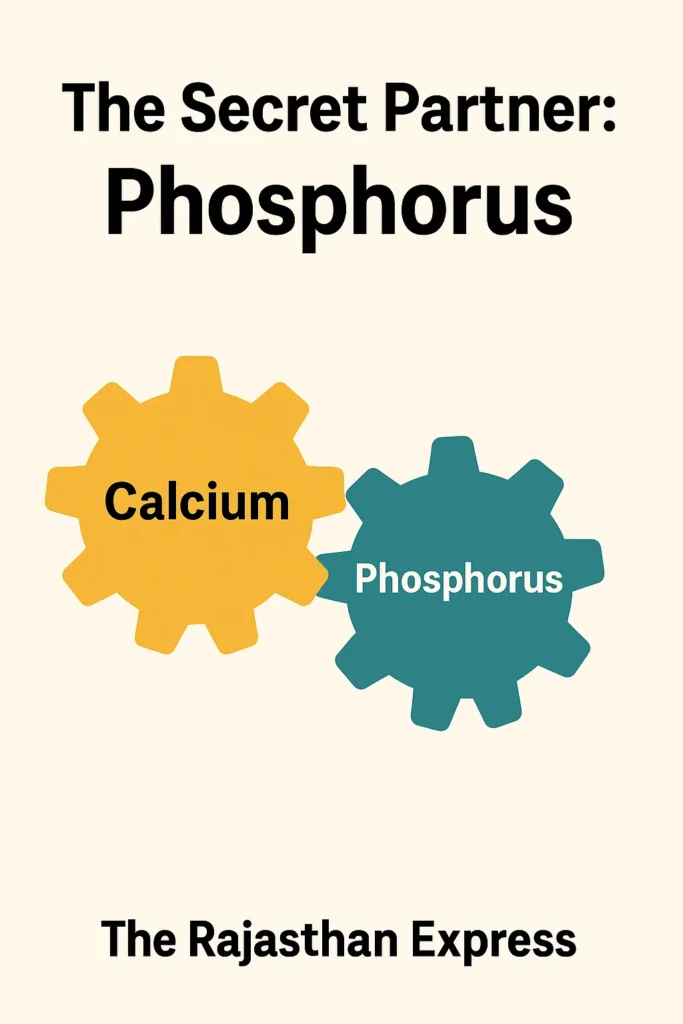
Calcium is the most abundant mineral found in the animal’s body. It is essential for maintaining strong bones, proper muscle function, nerve signal transmission, and milk production. Immediately after calving, milk production increases suddenly, which can cause blood calcium levels to drop. If this deficiency becomes severe, it results in “Milk Fever” or Hypocalcemia, in which the animal is unable to stand, becomes extremely dull, and sometimes may even die. According to reports by USDA and NRC, in high-yielding cows, the requirement of calcium increases 2 to 3 times at the time of calving, therefore mineral supplementation is considered necessary.
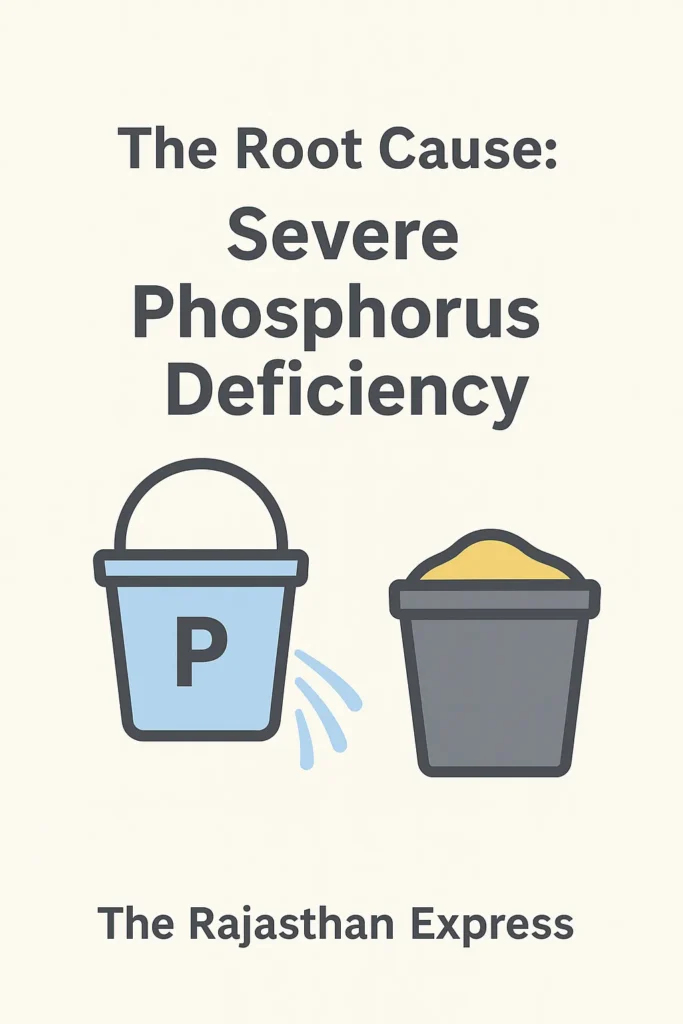
Phosphorus helps in energy metabolism (ATP formation), maintaining strong bones, and proper reproductive function. Its deficiency causes delayed heat, difficulty in ovulation, and reduced chances of conception. After calving, when the animal remains weak, phosphorus deficiency can cause even greater harm. Due to phosphorus deficiency, cows and buffaloes suffer from PPH disease, which in rural language is also called “blood in urine.” In this condition, the urine appears coffee-colored and contains blood.

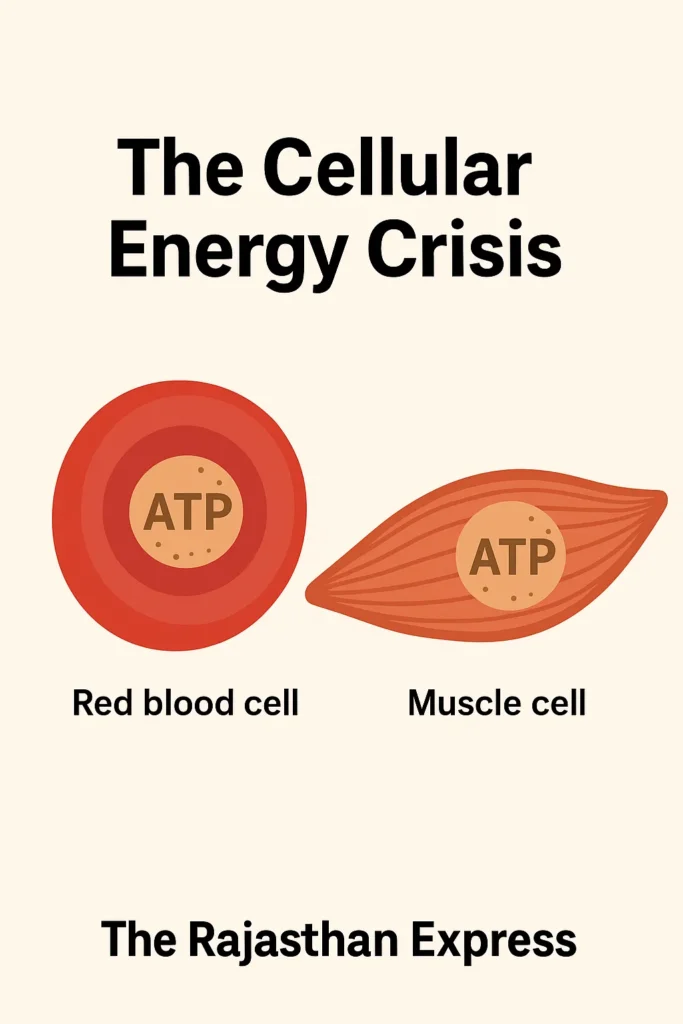
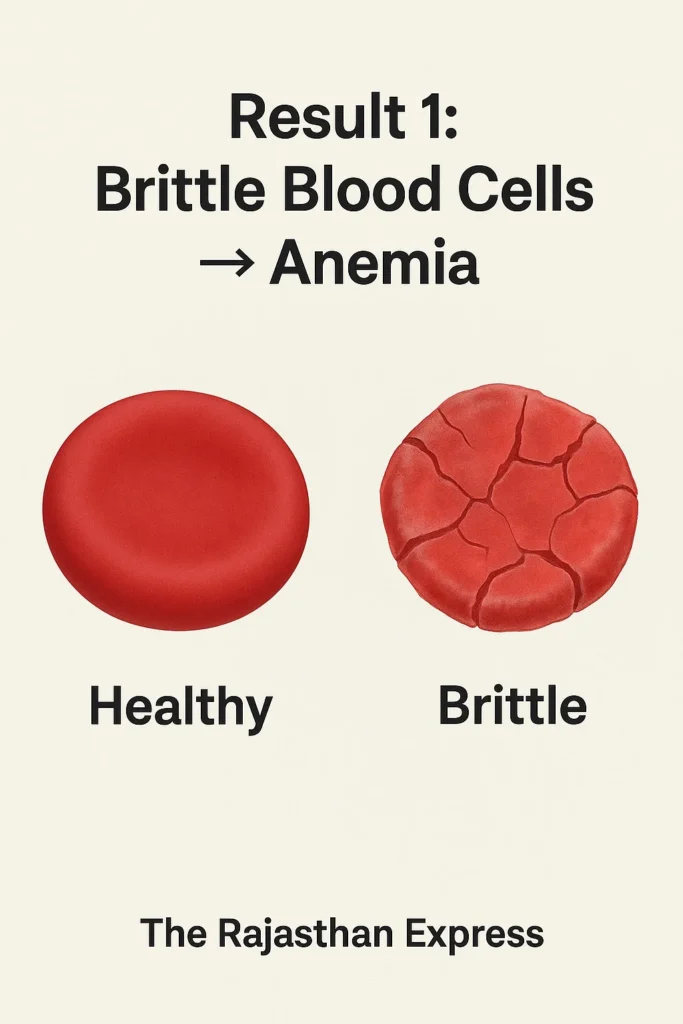
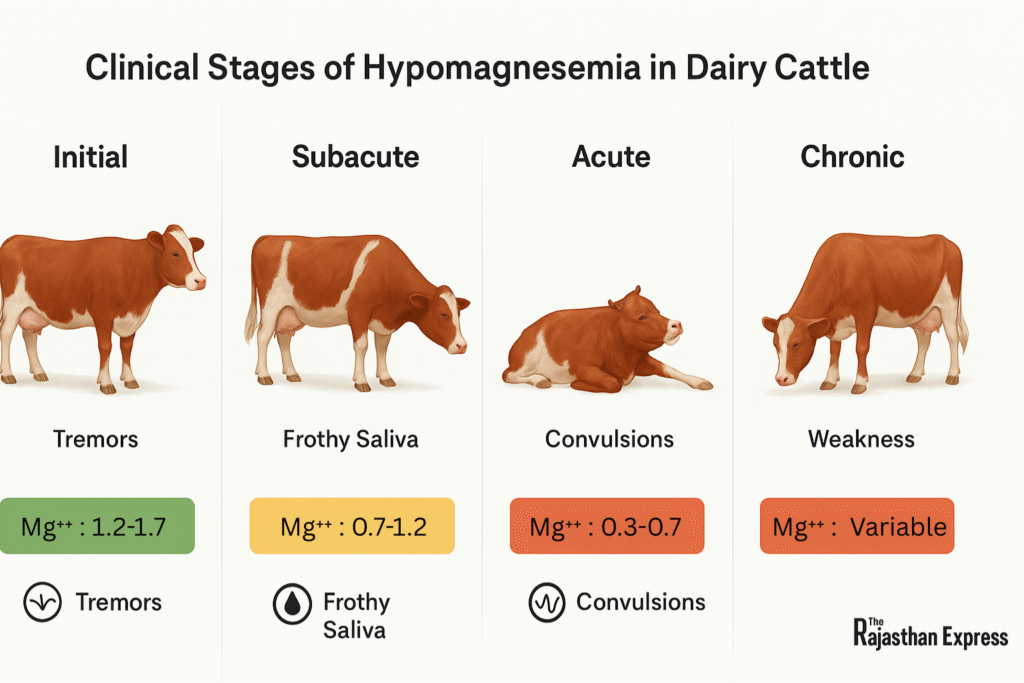
Magnesium is essential for maintaining the nervous system, enzyme function, and proper muscle movement. Its deficiency may lead to a disease called “Grass Tetany,” in which the animal experiences convulsions, may fall down, and sometimes may even die. Diets heavily dependent on green fodder may sometimes provide insufficient magnesium, leading to deficiency in milch animals. Supplements like Calmin fulfill this deficiency and keep the animal healthy and active.
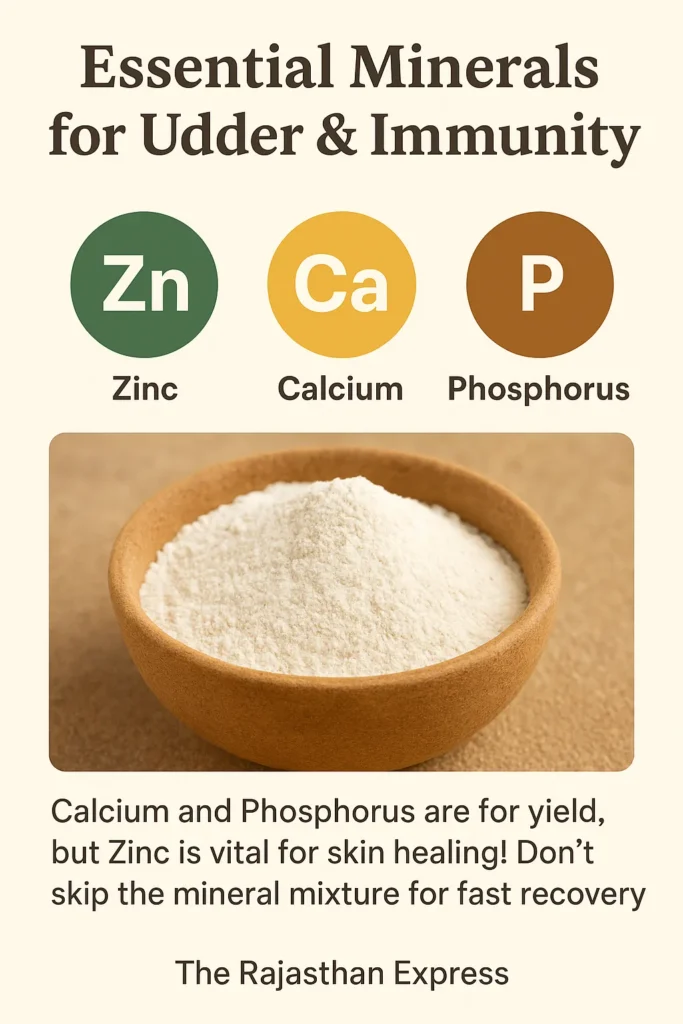
Trace minerals such as zinc, cobalt, copper, iodine, and selenium may be required in small amounts, but without them, the reproductive system, disease resistance, and hormone production do not function properly. For example, zinc helps in repairing the uterine lining, proper ovarian function, and strengthening immune cells. Cobalt helps in the formation of vitamin B₁₂, which is important for energy production and appetite regulation. Long-term deficiency of these minerals can result in infertility, repeated abortions, and weakness in calves.
Vitamins A, D, and E are also very important components of supplements like Calmin. Vitamin A helps in uterine repair, fetal development, and increasing disease resistance. Vitamin D assists in the proper absorption of calcium and phosphorus in the body, which keeps bones strong and maintains proper milk production. Vitamin E is a good antioxidant and immune modulator, which reduces uterine infections after calving and enhances the body’s defense system. Deficiency of these vitamins around the time of calving can cause delayed uterine cleaning, retention of membranes, and reproductive problems.
Importance of Vitamins in the Treatment of Infertility in Cattle
- Vitamin A, D, and E are also important parts of Calmin.
- Vitamin A helps in uterine cleaning, fetal development, and protection against diseases.
- Vitamin D maintains proper absorption of calcium and phosphorus, which keeps bones strong and ensures good milk production.
- Vitamin E protects the body from internal damage and reduces infections occurring after calving.
Nutritional Causes of Infertility in Cows and Transition Period Management
The period after calving is called the “Transition Period” in veterinary science. During this time, the animal’s body shifts from pregnancy to milk production, making it a very delicate phase from a nutritional perspective. If minerals and vitamins are not provided in proper quantities during this period, hormonal imbalance occurs, heat does not appear on time, and the animal fails to conceive quickly. Proper supplementation helps the uterus recover quickly, activates the ovaries, and enables the animal to return to a normal reproductive cycle.
Therefore, mineral-vitamin supplements like Calmin are not just ordinary medicines; they are a scientific method to maintain balance in the animal’s body, immunity, and reproductive system. With their proper and regular use, milk production remains stable, diseases decrease, post-calving complications are reduced, and both the conception ability and productive lifespan of the animal increase.
2. Uterotone Liquid – For Uterine Cleaning and Contraction
Uterotone Liquid products are administered immediately after calving in cows and buffaloes so that the uterus remains clean internally, undergoes rapid uterine involution, and returns to its normal size. After calving, bacteria, dead tissues, and residual materials of parturition often accumulate in the uterus, which can lead to problems such as endometritis. If not treated on time, this may later become a cause of infertility and reduced milk production.
After parturition, the uterus must naturally contract and return to its normal size, a process called involution. If bacteria are not completely cleared during this period, inflammation persists, or tissues do not heal properly, postpartum endometritis, delayed heat, delayed conception, and poor reproductive performance are observed.
For this reason, veterinarians often use ecbolic therapy such as oxytocin or prostaglandin, which increases uterine contractions, accelerates internal cleaning, and improves endometrial recovery. As a result, the animal returns to a normal reproductive cycle more quickly and fertility performance improves.
The main objective of medicines like Uterotone Liquid is complete uterine cleaning after calving — such as expelling lochia discharge, removing dead tissues, reducing inflammation, and restoring normal uterine muscle tone. This allows the uterus to complete the uterine involution process quickly and prepare for the next estrus and conception. Such products help control accumulated mucus, dirt, and blood flow in the uterus and reduce the risk of infections like endometritis.
According to scientific and government animal husbandry advisories, proper uterine involution and infection control after parturition are very important parts of reproductive management, because postpartum uterine diseases directly affect fertility, the onset of the estrus cycle, and overall conception rate. If foul-smelling discharge, swelling, fever, or behavioral changes are observed in the animal, this may indicate uterine infection or postpartum endometritis, and immediate veterinary consultation is necessary.
Source: PubMed
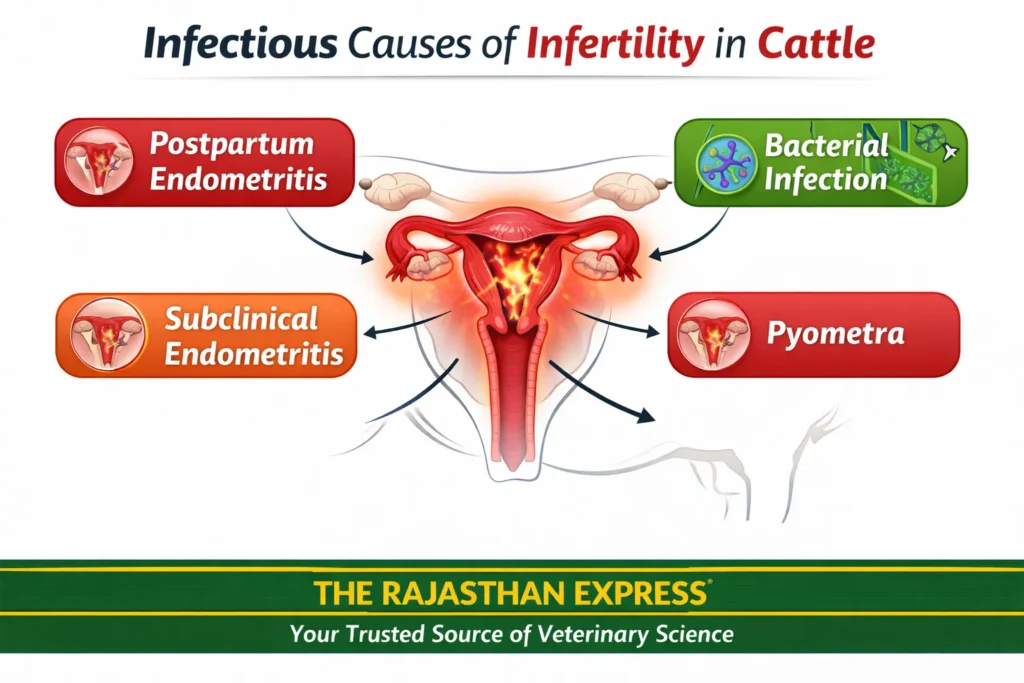
Infectious Causes of Infertility in Cattle and Postpartum Endometritis
Postpartum uterine infections are considered among the major infectious causes of infertility in cattle. These infections delay the estrus cycle, reduce conception rate, and increase the risk of repeat breeding in cattle. Effective uterine management after calving is therefore critical for improving reproductive efficiency.
3. Uterotone Capsule – For Regulating the Estrous Cycle
The first scientific sign of fertility is a regular and clearly visible estrous cycle. In cows and buffaloes, this is the biological process in which ovulation occurs, hormonal balance remains proper, and the uterus and ovary prepare for conception. The entire cycle is regulated by estrogen, progesterone, and luteinizing hormone (LH).
When a cow or buffalo does not show heat on time after calving, the main reasons include:
- Negative Energy Balance
- Nutritional deficiency
- Stress
- Postpartum endometritis
- Hormonal imbalance
Research shows that if clear estrus signs are not visible even 30–45 days after calving, it indicates neuro-endocrine dysfunction of the ovary and uterus.
Products like Uterotone Capsule are used in such cases where the estrous cycle is irregular or the animal is not showing heat. Their objective is:
- To facilitate ovulation
- To improve the endometrial lining
- To regulate the luteal phase
- To produce clear heat signs
According to government and scientific veterinary guidelines, hormonal therapy such as PGF₂α, GnRH, and progesterone-based protocols are generally used in such cases. These improve ovary–uterus hormonal signaling and help the animal return to regular heat.
Hormonal Treatment for Repeat Breeding in Cows
What is Hormonal Imbalance?
Hormonal imbalance means that the brain–ovary axis (hypothalamic-pituitary-ovarian axis) does not function properly. The ovary does not produce sufficient estrogen, due to which clinical heat signs such as standing heat, restlessness, bellowing, and drop in milk production are not clearly visible. As a result, the conception rate decreases.
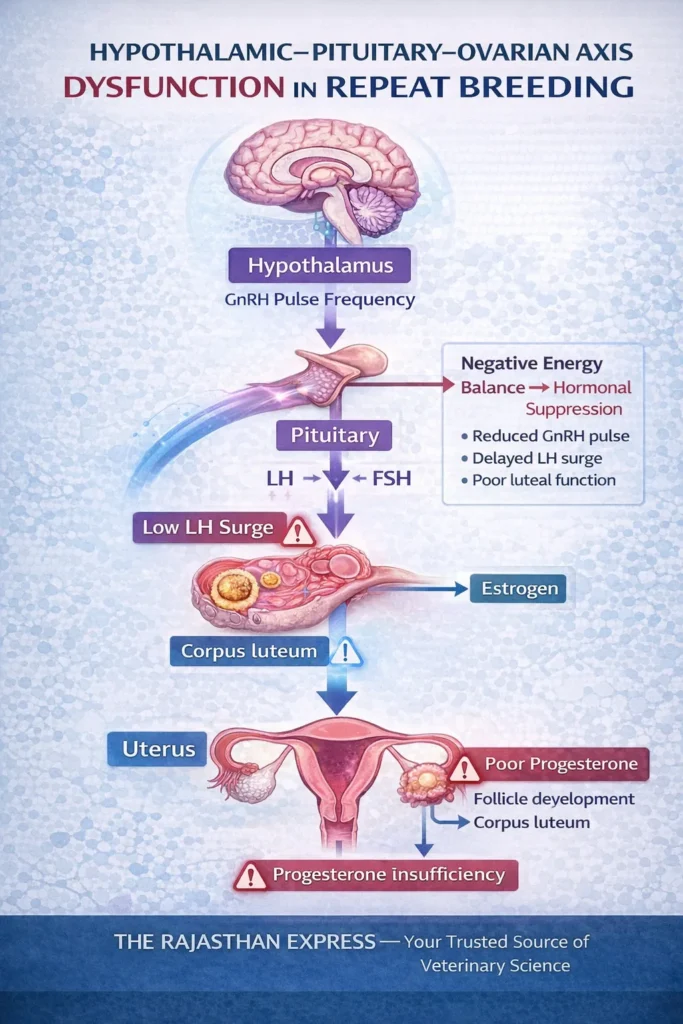
Do Uterotone Capsules Help?
The objective of Uterotone Capsule is to improve hormone receptor activity and reactivate ovarian function. This accelerates ovulation, leads to earlier estrus return, and enables the animal to show regular heat.
Why Is This Necessary?
If the estrous cycle does not become regular after calving:
- The animal fails to conceive → Temporary Infertility
- The economic cycle of milk production is disturbed
- The next pregnancy is delayed → prolonged calving interval / Repeat Breeding
Therefore, in veterinary practice, hormonal support along with nutritional supplementation is often recommended to improve ovulation, uterine recovery, and reproductive performance.
Usage Timing and Method: Scientific Reproductive Management Protocol
1. Post Parturition Therapy
After calving, the body of the cow or buffalo passes through a very delicate biological stage, known in veterinary science as the transition period. During this time, three things are most important:
✔ Uterine involution (return of uterus to normal size)
✔ Resumption of ovarian cyclicity
✔ Restoration of energy and mineral balance
If these three processes are not completed on time, heat is delayed, conception rate decreases, and the economic cycle of milk production is disturbed. Reproductive guidelines from ICAR, FAO, and USDA state that managing uterine health, hormonal recovery, and nutritional balance together in postpartum management is the most effective approach.
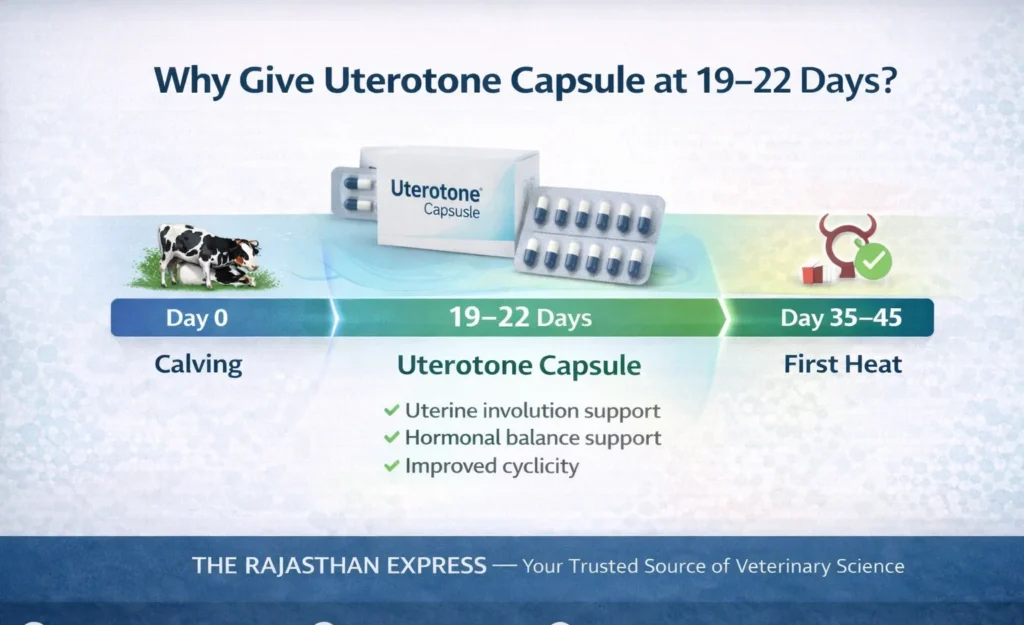
Why Uterotone Capsule After 19–22 Days?
Around 19–22 days after calving, primary uterine contraction is usually completed in most animals, but the ovaries may still remain in a state of postpartum anestrus. Mild hormonal stimulation at this time reactivates the hypothalamus–pituitary–ovary (HPO axis), which accelerates follicle development, estrogen secretion, and ultimately ovulation. As a result, the first clear estrus signs appear earlier, and the chances of conception increase.
Why Uterotone Liquid After 61–68 Days?
By this time, the uterus has generally returned to normal size, but in many animals, subclinical endometritis, mild inflammation, or residual discharge may persist. Research indicates that this condition, even without visible symptoms, can reduce conception rate by 20–40%. At this stage, a mild ecbolic effect enhances final uterine cleaning, endometrial repair, and local immunity, preparing the uterus fully for conception.
Why Calmin Is Necessary After 60 Days? – Nutritional Causes of Infertility in Cows
Due to calving and milk production, the animal remains in a state of negative energy balance and mineral deficiency for a prolonged period. Deficiency of calcium, phosphorus, magnesium, zinc, and trace minerals directly affects hormone synthesis, ovarian activity, and uterine immunity. According to NRC, USDA, and ICAR reports, adequate mineral–vitamin supplementation not only improves milk production but also ensures timely ovulation and better fertility performance.
If It Is Not Possible to Administer at Different Times?
If it is not feasible at the farm level to administer medicines at separate stages, then Uterotone Capsule + Uterotone Liquid + Calmin can be started together approximately 60 days after calving. By this time, primary uterine recovery is completed and the animal biologically begins preparing for the next pregnancy. ICAR and FAO guidelines state that such a combined protocol reduces days open and lowers cost per conception.
| Post-Calving Treatment Schedule | ||
| Day / Period | Treatment | Purpose / Reason |
|---|---|---|
| 19–22 Days After Calving | Uterotone Capsules – 4 capsules, once daily for 4 days | To provide hormonal stimulation for initiating the estrus (heat) cycle. |
| 61–68 Days After Calving | Uterotone Liquid – 100–125 ml, twice daily for 4 days | Final cleansing of the uterus and complete recovery of reproductive health. |
| Starting from 60 Days After Calving | Calmin – As per prescribed dosage (according to product instructions) | To maintain proper nutrient levels in the body. |
| THE RAJASTHAN EXPRESS : YOUR TRUSTED SOURCE OF VETERINARY SCIENCE. | ||
Source: ICAR / FAO / USDA
Repeat Breeding in Cattle: Scientific Protocol, Causes, Symptoms, and Hormonal Treatment Guide
Repeat Breeding in Cattle is a condition in which a cow or buffalo comes into heat/estrus regularly, but conception does not occur even after repeated artificial insemination (AI) or natural service. This problem is not only due to management errors; it may also be caused by hormonal imbalance, uterine infection, subclinical endometritis, nutritional deficiency, and signaling disturbances in the ovary–uterus axis. As a result, conception rate decreases and days open increase, affecting both the milk production cycle and the farmer’s income.
Scientific studies have found that many repeat breeder animals have subclinical endometritis or bacterial imbalance in the uterus, which interferes with embryo survival. In such cases, intra-uterine therapy and hormonal treatment for repeat breeding in cows, such as GnRH or PGF₂α-based protocols, have shown clear improvement in conception rates.
Causes of Repeat Breeding in Cattle
The main causes of repeat breeding in cattle include:
- Hormonal imbalance
- Uterine infection
- Subclinical endometritis
- Nutritional deficiency
- Ovary–uterus axis signaling dysfunction
These factors contribute to reduced fertility performance and increase the disadvantages of repeat breeding in cattle, including economic loss and prolonged calving intervals.
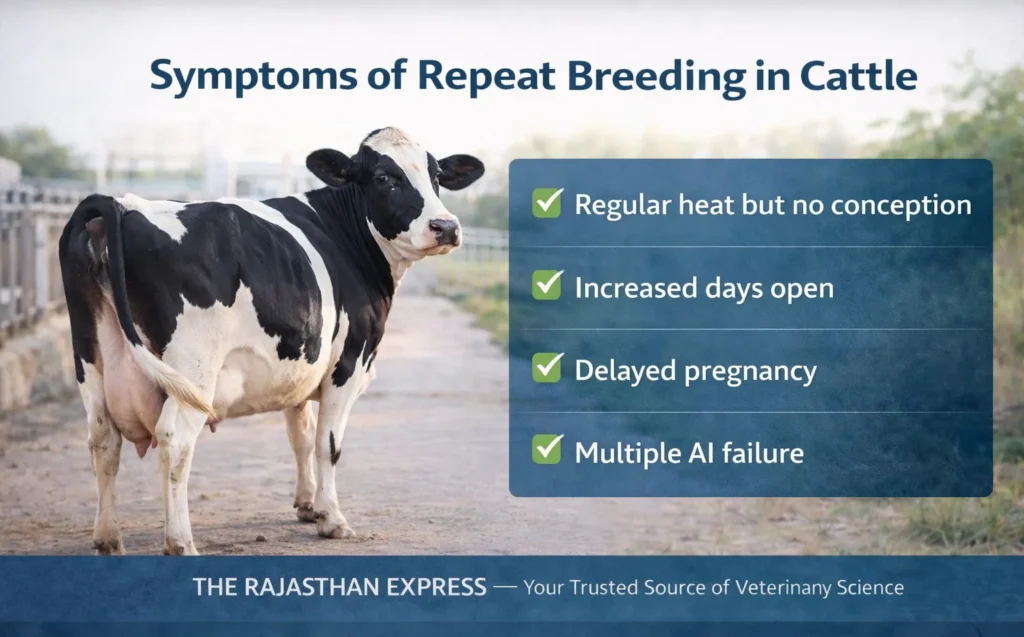
Symptoms of Repeat Breeding in Cattle
Common symptoms of repeat breeding in cattle include:
- Regular heat but failure to conceive
- Increased days open
- Delayed pregnancy despite multiple inseminations
- Reduced reproductive efficiency
Understanding these symptoms of infertility in cattle is essential for timely diagnosis and effective treatment.
Disadvantages of Repeat Breeding in Cattle
If estrous cycle remains irregular:
- Animal fails to conceive → Infertility
- Economic milk cycle disrupts
- Calving interval increases
Veterinary practice recommends hormonal support plus nutritional supplementation to improve reproductive performance.
Scientific Basis of the Given Protocol (Repeat Breeding in Cattle PPT Concept)
Protocol:
1️⃣ Note the date of heat
2️⃣ Wait 14 days
3️⃣ From the 15th to 18th day (15, 16, 17, 18) – for 4 days:
- Uterotone Liquid – 100–125 ml, twice daily
- Uterotone Capsule – 4 capsules, once daily
- Calmin – As prescribed
This protocol works on three main scientific objectives:
1️⃣ Uterine Cleaning and Tone Improvement After Heat
After heat and service, bacteria or minor infections may sometimes remain in the uterus, which deteriorate the quality of the endometrium and prevent embryo attachment. In such cases, uterine cleansing, ecbolic effect, and tone improvement create a healthy environment for conception. Research has described intra-uterine therapy as effective in repeat breeder cases.
This approach directly addresses infectious causes of infertility in cattle and improves uterine receptivity.
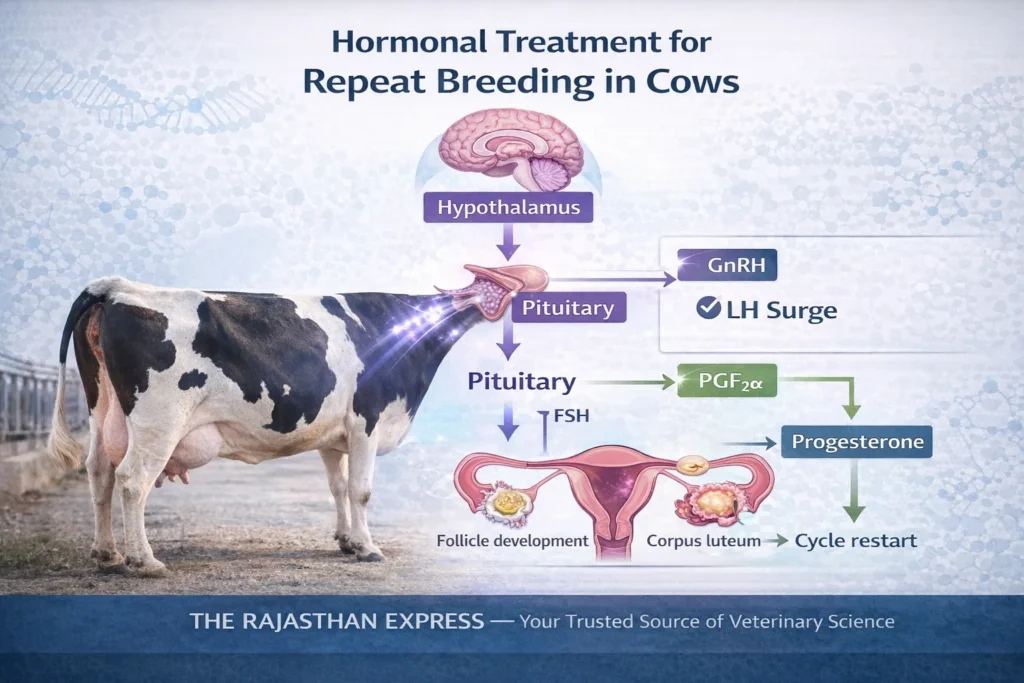
2️⃣ Activation of Hormonal Signaling and the HPO Axis
Supportive products like Uterotone Capsule aim to enhance ovarian activation, follicle development, and the response of the hypothalamus–pituitary–ovary (HPO) axis. It is scientifically established that in repeat breeder animals, progesterone levels, LH surge, and ovulation timing become disturbed. Correction of these imbalances improves conception rate.
This is aligned with hormonal treatment for repeat breeding in cows, which focuses on restoring proper endocrine signaling.
3️⃣ Mineral–Vitamin Balance and Body Strength
Multi-mineral supplements like Calmin compensate for deficiencies of calcium, phosphorus, magnesium, zinc, and trace minerals. This improves hormone receptor activity, immune response, endometrial repair, and embryo survival — all essential for successful conception.
Nutritional causes of infertility in cows ppt resources also emphasize that mineral imbalance is a major hidden factor behind infertility in cattle.
Role of Combined Therapy in Infertility in Cattle
This protocol may prove helpful in cases of:
- Repeat Breeder Syndrome
- Subclinical Endometritis
- Hormonal Dysfunction
The combined therapy of Calmin, Uterotone Liquid, and Uterotone Capsule provides a scientific and effective solution to the complex problem of infertility in cattle and buffaloes. These three medicines work at different levels to completely restore the reproductive system and prepare the animal for conception.
When administered at the right time and in the correct manner, a significant increase in conception rate is observed, resulting in direct economic benefit to dairy farmers.
Final Advice
This treatment should always be started under the supervision and guidance of an experienced Veterinarian.
Manufacturer
Cattle Remedies India Limited
F-12, Adarshini Plaza, 91 Adchini,
Sri Aurobindo Marg, New Delhi – 110017
Phone: 6510406, 6514294
Fax: 011-6510408
Frequently Asked Questions (FAQ) on Infertility and Repeat Breeding in Cattle
Q1. The cow or buffalo is not coming into heat (Anoestrus) after calving. What should be done?
Answer:
Failure to come into heat (Anoestrus) after calving is often due to nutritional deficiencies or improper uterine cleaning. For its solution:
- Calmin (Calmin): Give to fulfill mineral and vitamin deficiencies.
- Uterotone Capsule (Uterotone Capsule): Give 19–22 days after calving so that hormonal balance (HPO Axis) becomes active and the animal comes into heat on time.
This approach supports the treatment of infertility in cattle caused by nutritional and hormonal factors.
Q2. The animal is returning repeatedly (Repeat Breeding). What is the treatment for conception?
Answer:
If the animal repeatedly comes into heat but does not conceive, it is called Repeat Breeding. Its scientific treatment is as follows:
- From the 15th to 18th day after the animal’s last heat, administer a course of Uterotone Liquid and Uterotone Capsule.
- This removes uterine infection (Endometritis) and prepares the uterus for embryo attachment.
- Along with this, definitely give a mineral mixture like Calmin.
This protocol is commonly discussed in repeat breeding in cattle ppt and repeat breeding in cattle PDF educational materials.
Q3. Why does ‘Blood in Urine’ (PPH) disease occur in cows and buffaloes?
Answer:
Blood in urine or coffee-colored urine is a sign of severe phosphorus deficiency in the body. In rural language, this is called ‘Lahu Mootna.’ For prevention, the animal should be given proper quantities of phosphorus-rich supplements such as Calmin.
This condition is linked to nutritional causes of infertility in cows ppt resources.
Q4. Why is uterine cleaning necessary after calving?
Answer:
After parturition, dead tissues and bacteria remain in the uterus. If cleaning is not done, infection (Endometritis) may occur, due to which the animal cannot conceive again. The use of Uterotone Liquid helps in expelling uterine dirt (Lochia discharge) and restoring it to normal size.
Postpartum infection is among the infectious causes of infertility in cattle.
Q5. How can ‘Milk Fever’ be prevented in animals?
Answer:
Milk Fever occurs due to a sudden drop in calcium levels in the body, causing the animal to become dull and collapse. For prevention, it is essential to give calcium and Vitamin-D supplements such as Calmin immediately after calving and during the transition period.
Proper supplementation plays a key role in preventing infertility in cattle related to metabolic imbalance.
Q6. What is ‘Silent Heat’ in animals and how can it be identified?
Answer:
This problem is more common in buffaloes, where the animal does not clearly show heat symptoms (such as bellowing or discharge).
Cause: Deficiency of Vitamin A, E, and minerals.
Identification: Frequent urination, dullness, and transparent mucus discharge from the vagina.
Solution: Regular administration of Uterotone Capsule and Calmin improves hormonal signaling, due to which the animal starts showing clear heat symptoms.
Silent heat is one of the symptoms of infertility in cattle.
Q7. Should mineral mixture be started immediately after calving?
Answer:
Yes. The period after calving is called the “Transition Period.” During this time, calcium and magnesium rapidly leave the body for milk production. Giving supplements like Calmin not only prevents Milk Fever but also accelerates uterine recovery.
This supports overall reproductive performance and reduces the causes of infertility in cattle.
Q8. What are the symptoms of uterine inflammation (Endometritis) in animals?
Answer:
If the animal shows a thick, dirty-white discharge (pus-like) during heat, it indicates uterine infection.
Effect: Even after AI (Artificial Insemination), pregnancy does not occur.
Treatment: A course of Uterotone Liquid is highly effective in uterine cleaning and reducing inflammation.
Endometritis is a major factor in repeat breeding in cattle in India.
Q9. What medicine should be given if Placenta is retained after calving?
Answer:
Retention of placenta or incomplete expulsion is the biggest cause of future infertility. Giving Uterotone Liquid immediately after calving increases uterine contractions, which safely expels the placenta and internal dirt (Lochia).
Proper postpartum management reduces the disadvantages of repeat breeding in cattle.
Q10. Why is the animal not conceiving despite a balanced diet?
Answer:
Green fodder and feed alone are not sufficient. Trace minerals such as copper, cobalt, and selenium are necessary for hormone production.
Scientific Reason: Deficiency of these trace minerals makes the ovary inactive.
Solution: Regularly include Calmin in the diet, which fulfills these trace element deficiencies.